Diferencia entre revisiones de «Ahnsahnghong»
| Línea 103: | Línea 103: | ||
{{그림|최후의 만찬 유월절.jpg|정렬=오른쪽섬네일|너비=320px|타이틀=La Santa Comunión de la Pascua conocida como la última cena.}} | {{그림|최후의 만찬 유월절.jpg|정렬=오른쪽섬네일|너비=320px|타이틀=La Santa Comunión de la Pascua conocida como la última cena.}} | ||
El principal mandamiento del nuevo pacto es la [[Pascua]], | El principal mandamiento del nuevo pacto es la [[Pascua]], la cual Jesús guardó con el pan y el vino que representan su carne y su sangre.<ref>[https://www.studylight.org/study-desk.html?q1=https://live.bible.is/bible/SPAR60/LUK/22 |title=Lucas 22:15, 19-20]</ref> La Pascua del nuevo pacto promete el perdón de pecados y la bendición de la vida eterna.<ref>{{Cite web |url=https://www.studylight.org/study-desk.html?q1=https://live.bible.is/bible/SPAR60/MAT/26 |title=Mateo 26:28 |publisher= |quote= }}</ref><ref>{{Cite web |url=https://www.studylight.org/study-desk.html?q1=https://live.bible.is/bible/SPAR60/JHN/6 |title=Juan 6:54 |publisher= |quote=}}</ref><br> | ||
La Pascua es una fiesta que significa que “los desastres pasan por encima”. Los israelitas, que habían sido esclavos en Egipto en los tiempos del Antiguo Testamento, guardaron la Pascua con la sangre de un cordero, y escaparon de la gran plaga y fueron liberados de Egipto.<ref>{{Cite web |url=https://www.studylight.org/study-desk.html?q1=https://live.bible.is/bible/SPAR60/EXO/12 |title=Éxodo 12:11-14 |publisher= |quote=}}</ref> Jesús, quien vino como la realidad del cordero de la Pascua en los tiempos del Nuevo Testamento, fue sacrificado en la cruz para la salvación de toda la humanidad<ref>{{Cite web |url=https://www.studylight.org/study-desk.html?q1=https://live.bible.is/bible/SPAR60/1CO/5 |title=1 Corintios 5:7 |publisher= |quote=}}</ref> Aquellos que guarden la Pascua del nuevo pacto serán protegidos de los desastres por medio de la preciosa sangre de Cristo y recibirán la bendición de entrar en el reino de los cielos. | |||
==== Seven Feasts in Three Times ==== | ==== Seven Feasts in Three Times ==== | ||
Revisión del 17:49 15 may 2023
| Ahnsahnghong | ||
|---|---|---|
Cristo Ahnsahnghong celebra la Pascua en 1984
| ||
| Nació |
El 13 de enero de 1918 (Jangsu-gun, Jeollabuk-do, República de Corea) (Corea del Sur) | |
| Ascendió al cielo | El 25 de febrero de 1985 | |
| Se bautizó |
En la isla Nakseom, Incheon, el 16 de diciembre de 1948 | |
| Estableció | Iglesia de Dios | |
| Obra principal |
Restauró la verdad del nuevo pacto. Dio testimonio de Dios Madre | |
| Sucedido por | Pastor Kim Joo-cheol | |
| Sitio web | Cristo Ahnsahnghong | |

Ahnsahnghong (안상홍, 安商洪) es Cristo que vino por segunda vez desde la República de Corea (Corea del Sur) de acuerdo con las profecías de la Biblia para salvar a la humanidad. Aproximadamente hace dos mil años, Jesucristo nació en Belén, Israel, y llevó a cabo la obra del evangelio de acuerdo con las profecías de la Biblia. La Biblia es la única evidencia de quién es Cristo.[1] La Biblia registra muchas profecías sobre Cristo que viene a este mundo en la carne por segunda vez. Tales profecías incluyen “La Profecía del trono de David,” “La parábola de la higuera,” y “La misión de Elías” Todas estas profecías fueron cumplidas por Cristo Ahnsahnghong. Él restableció la Iglesia de Dios restaurando completamente la verdad original de la Iglesia primitiva, el nuevo pacto, que Cristo Jesús estableció hace dos mil años. Al final de su vida del evangelio, Cristo Ahnsahnghong proclamó a Dios Madre, quien es el último misterio de la Biblia.[2]
Breve historia[3]
- 1918 - Nació el 13 de enero en Myeongdeok-ri, Jangye-myeon[4], Jangsu-gun, Jeollabuk-do, República de Corea
- 1948 - Se bautizó el 16 de diciembre (en la isla Nakseom, Incheon)
- 1955 - Escribió el libro Apertura de los Siete Truenos
- 1964 - Estableció la Iglesia de Dios (en Haeundae-gu, Busan)
- 1970 - Estableció 4 Iglesias de Dios en Corea
- 1980 - Estableció 13 Iglesias de Dios en Corea
- Publicó el libroEl Misterio de Dios y la Fuente del Agua de la Vida
- 1981 - Predijo el ministerio y muerte de Cristo en su segunda venida en una entrevista para la revista Religión Semanal
- 1984 - Guardó la Pascua por última vez (en Seoul)
- Proclamó a Dios Madre
- Anunció al pastor Kim Joo-cheol como su sucesor
- 1985 - Ascendió al cielo el 25 de febrero
Vida de Cristo Ahnsahnghong[3]
Nació en 1918
Cristo Ahnsahnghong nació el 13 de enero de 1918 en Myeongdeok-ri, Jangye-myeon, Jangsu-gun, Jeollabuk-do, República de Corea (en adelante, “Corea del Sur”)en los fines de la tierra del oriente.
En 1918, el mundo estaba en un gran caos. La Primera Guerra MundialI (1914-1918), protagonizada por los países europeos y las potencias imperialistas, cobró al menos 20 millones de vidas.[5] Al final de la guerra, la tierra temblaba de miedo cuando la gripe española, la peor pandemia del siglo xx, se propagó por todo el mundo. Las solicitudes masivas de militares y desplazamientos de tropas durante la Primera Guerra Mundial causaron que la gripe se convirtiera en una pandemia, dejando un aproximado de entre 50 y 100 millones de fallecidos. La península de Corea tampoco se salvó del desastre. De acuerdo con las estadísticas tomadas en 1918, de los 17 590 000 personas que vivían en la península de Corea, se calcula que 2 884 000 se contagiaron de la gripe, mientras que 140 000 murieron[6][7]
Simultáneamente, Corea estaba sufriendo la opresión, la pobreza extrema y la severa escasez de alimentos después de que Japón, habiendo privado a Corea de su soberanía en 1910, explotara la producción de arroz. En 1939, como la opresión japonesa había llegado a su tope, estalló la Segunda Guerra Mundial (1939–1945) causando destrucción sin precedentes. Se estima que el número de muertos de la Segunda Guerra Mundial llegó a 55 millones.[8] El Imperio japonés, parte del Eje Aliado, saqueó los suministros de los militares coreanos y movilizó a la fuerza a los coreanos para la guerra.[9] En una época cuando ni siquiera había paz ni libertad, Cristo Ahnsahnghong nació, creció y sufrió en ese periodo oscuro de la historia humana solo para la salvación de la humanidad.[10]
Se bautizó en 1948
El año de la independencia de Israel

El 16 de diciembre de 1948, Cristo Ahnsahnghong se bautizó en la isla Nakseom, (actual Yonghyeon-dong, Michuhol-gu), Incheon, Corea del Sur.
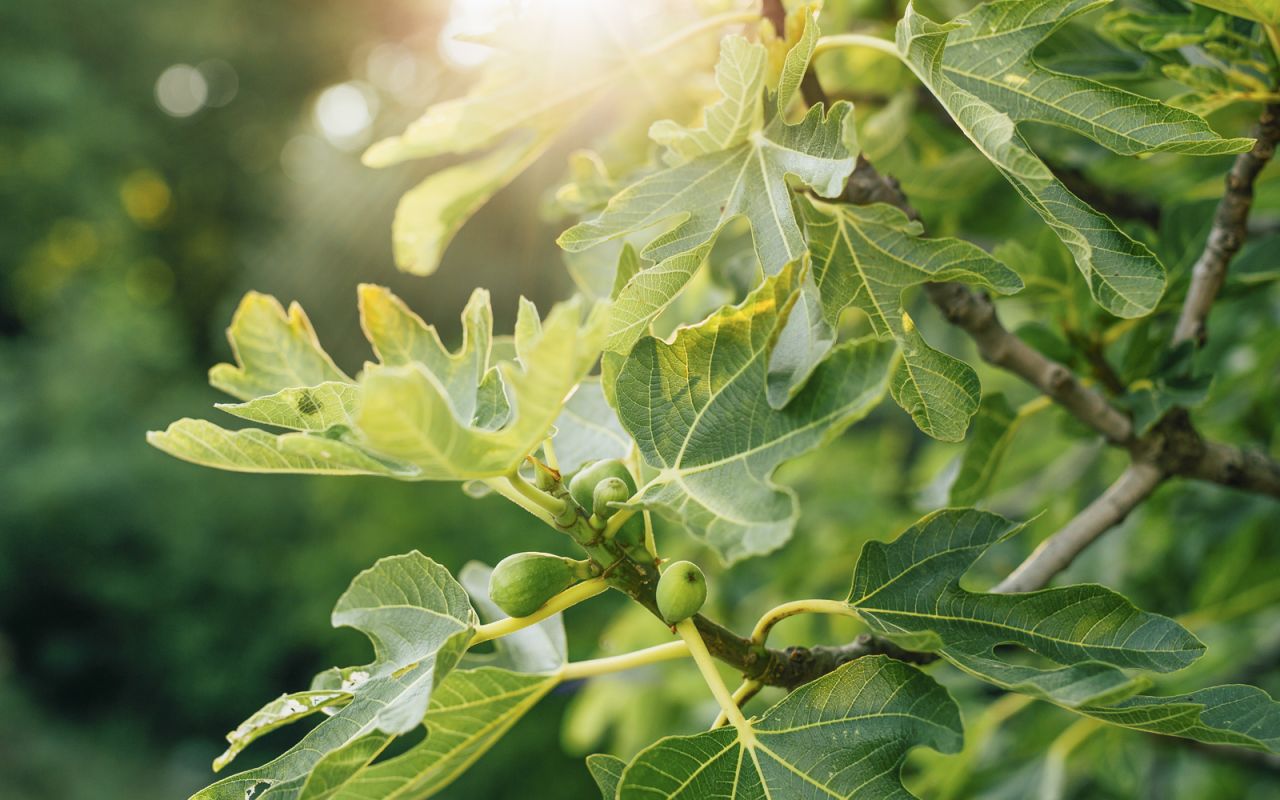
Siendo bautizado en 1948 a la edad de 30, cumplió las profecías de la Biblia. Milagrosamente en 1948, Israel ganó su independencia después de desaparecer de la historia por 1900 años.La independencia de Israel fue la señal de la aparición de Cristo en su segunda venida según la parábola de la higuera. Cristo, que viene como el rey David, debe ser bautizado a la edad de 30 años, así como David que se convirtió en rey a la edad de 30. En 1948, Cristo Ahnsahnghong se bautizó a los 30 y empezó la vida pública de Cristo en su segunda venida.
El año 1948 también es significativo en la historia de Corea. En 1945, Corea recuperó su soberanía que había sido arrebatada por el Imperio japonés; sin embargo, el gobierno de la República de Corea se estableció oficialmente en 1948 después de la declaración de la constitución con la República de Corea como nombre nacional. Espiritualmente, 1948 fue un año histórico cuando la verdad, que había estado escondida bajo las falsas doctrinas después de la época apostólica, fue descubierta con el advenimiento del Señor Ahnsahnghong, Cristo que vino por segunda vez.
Comienzo de la Reforma completa
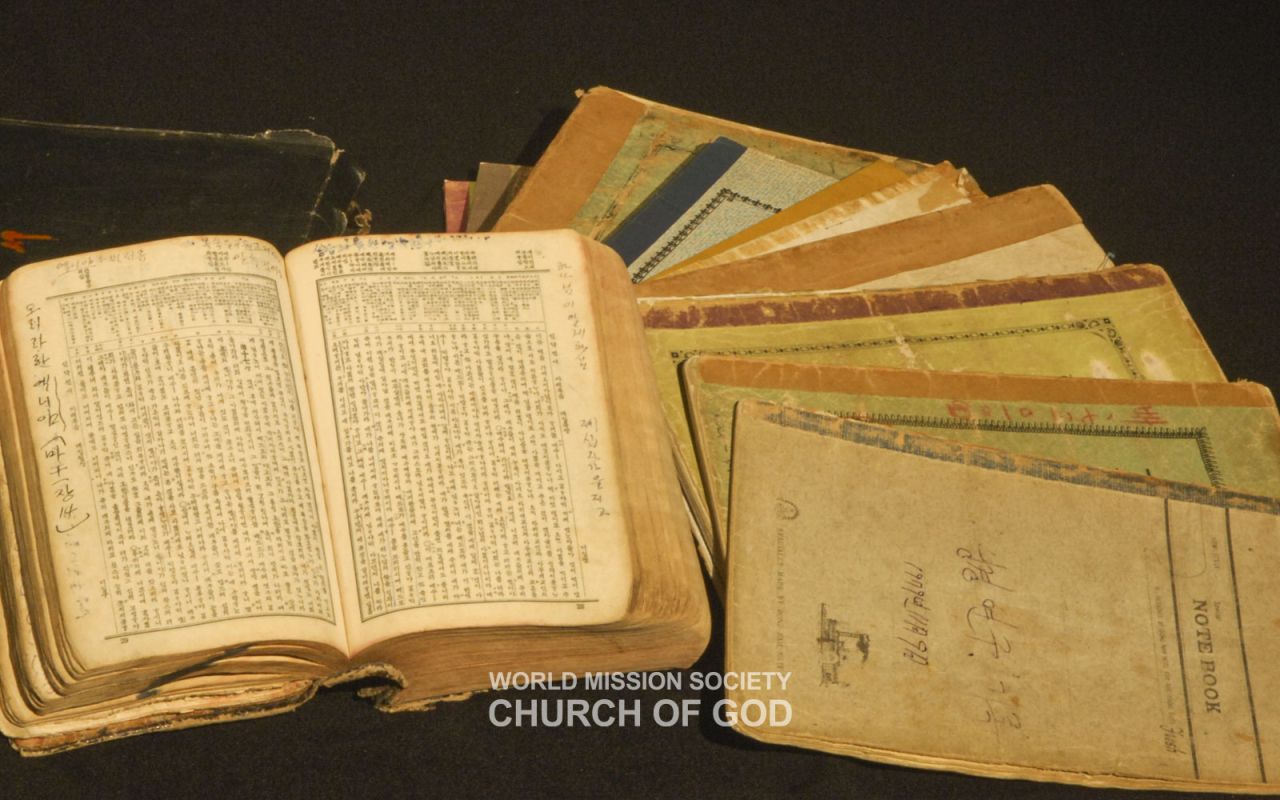

Todas las verdades de la Iglesia primitiva desaparecieron durante la edad oscura; solo la verdad del Día de Reposo estaba vagamente revelada en el tiempo del bautismo de Cristo Ahnsahnghong. En 1947, Cristo Ahnsahnghong ingresó en la Iglesia adventista del séptimo día, la cual guardaba el Día de Reposo, y no el culto dominical, y se bautizó al año siguiente cuando cumplió 30 años. Su bautismo en la Iglesia adventista del séptimo día fue el cumplimiento de la profecía de la iglesia de Laodicea: “He aquí, yo estoy a la puerta y llamo”.[11]
Cristo Ahnsahnghong señaló el error de la Iglesia adventista del séptimo día y predicó las buenas nuevas de salvación, como el asunto del alma, las reglas bíblicas de la comida|, y el Día de Reposo perfecto. Desde ese entonces, hizo todo lo posible por completar la reforma religiosa, la reforma de la verdad, corrigiendo las doctrinas de las iglesias existentes que habían perdido los mandamientos de Dios.[12]
37 años de ministerio del evangelio
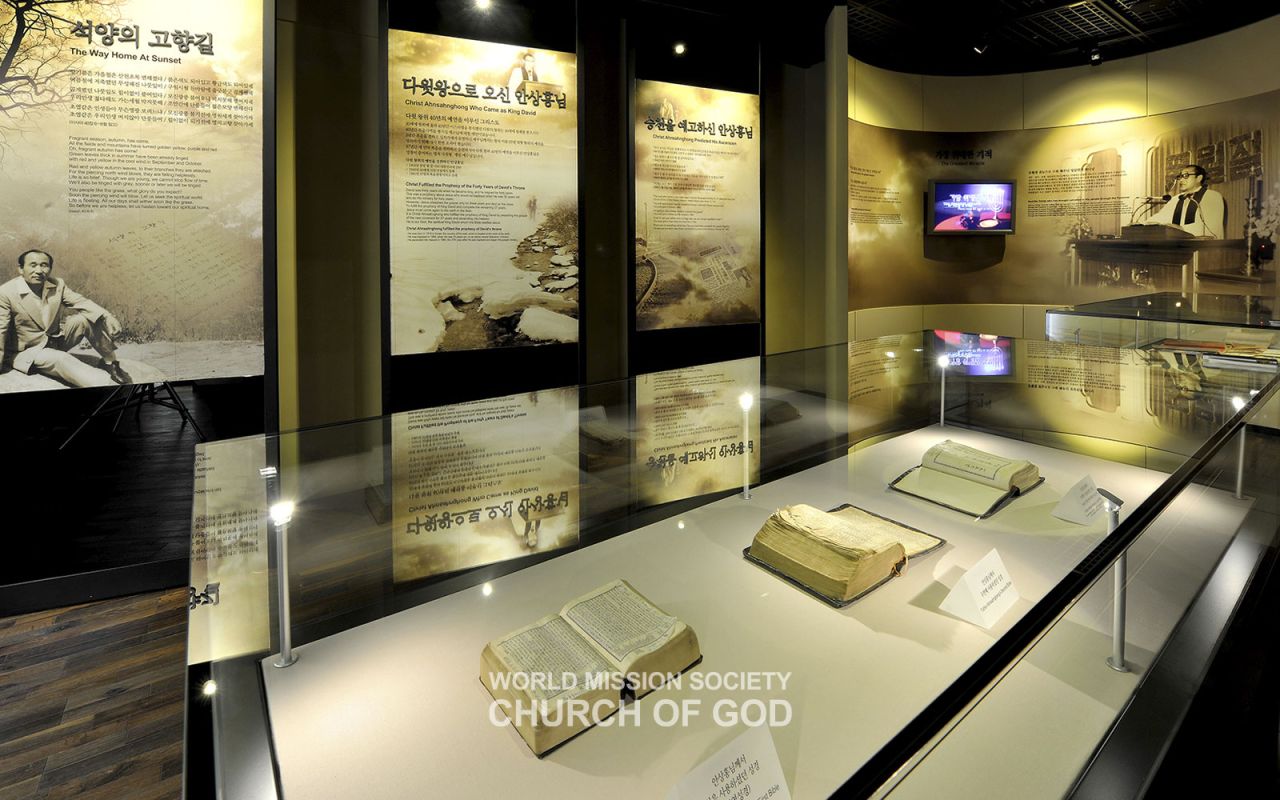

El reinado de 40 años de Davides una profecía del ministerio público de Cristo. Sin embargo, Jesús llevó a cabo su ministerio durante tres años. Los 37 años restantes debía cumplirlos Cristo en su segunda venida. Desde su bautismo en 1948 a la edad de 30 años, Cristo Ahnsahnghong se dedicó a la restauración de la verdad del nuevo pacto y a la salvación de las almas hasta 1985 cuando completó la profecía del ministerio público de los 37 años de Cristo en su segunda venida.[13]
Para más detalles, consulte el documento
Inicio de la guerra de Corea
En 1950 estalló la guerra de Corea. Las tropas norcoreanas cruzaron el paralelo 38 muy temprano en la mañana el 25 de junio, y rápidamente tomaron Seúl, la capital de Corea del Sur. Presionando al sur, arrasaron el centro de Daejeon en un mes y ocuparon Daegu, Masan y Pohang, y avanzaron hacia Busan. Sin embargo, el ejército de Corea del Norte falló en la toma de Busan debido a un contraataque dirigido por Corea del Sur y las fuerzas de la ONU. El ejército norcoreano comenzó su retirada de Corea del Sur en septiembre. En 1953, se dio el armisticio. Tras décadas de colonización japonesa y años de guerra, la tierra coreana quedó devastada. La guerra de Corea destruyó cerca de 600 000 casas y dejó 200 000 viudas de guerra y 100 000 huérfanos. Más del 45 % de los establecimientos industriales quedaron inoperativos y la economía colapsó.[14]
In those days, Christ Ahnsahnghong was preaching the gospel of the new covenant in Busan. Even in such a poor and devastating situation, He kept God’s commands wholeheartedly. In His notebook, He wrote about the situation of those days: “Even despite deadly suffering during the Korean War and all the hard labor in the mountains of Byeonnae, Yangsan, I never gave in to the temptations of this life, nor did I violate the Sabbath in My workplace.”
Estableció la Iglesia de Dios en 1964
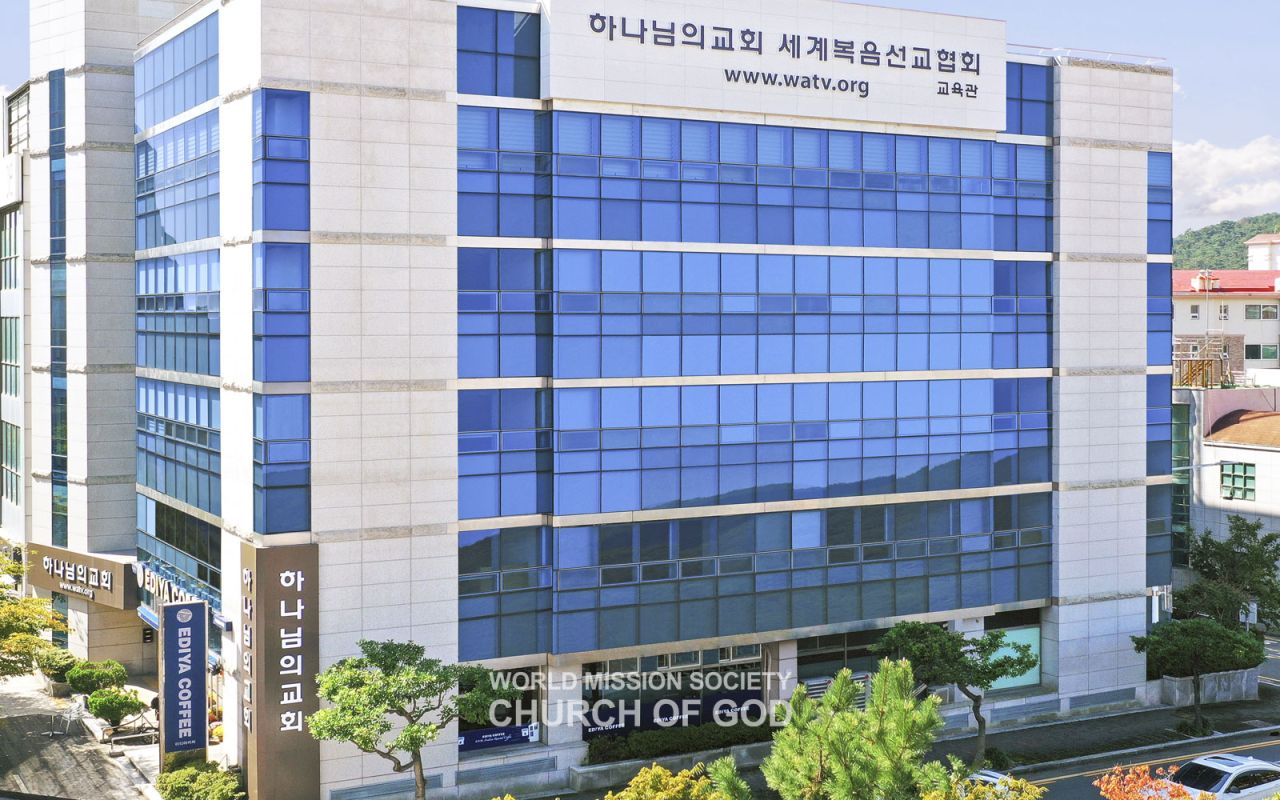


Cristo Ahnsahnghong estableció la Iglesia de Dios en Haeundae-gu, Busan, Corea del Sur, en 1964. Restauró la Iglesia primitiva que Jesús mismo estableció hace dos mil años y donde los apóstoles guardaban la verdad del nuevo pacto.
En ese tiempo, Corea era uno de los países más pobres del mundo. En 1960, la renta nacional bruta (RNB) per cápita era de unos 1167 dólares (aprox. 1,33 millones de wones)[15] y el producto interno bruto (PIB) era solo de 158 dólares (aprox. 180 000 wones).[16]
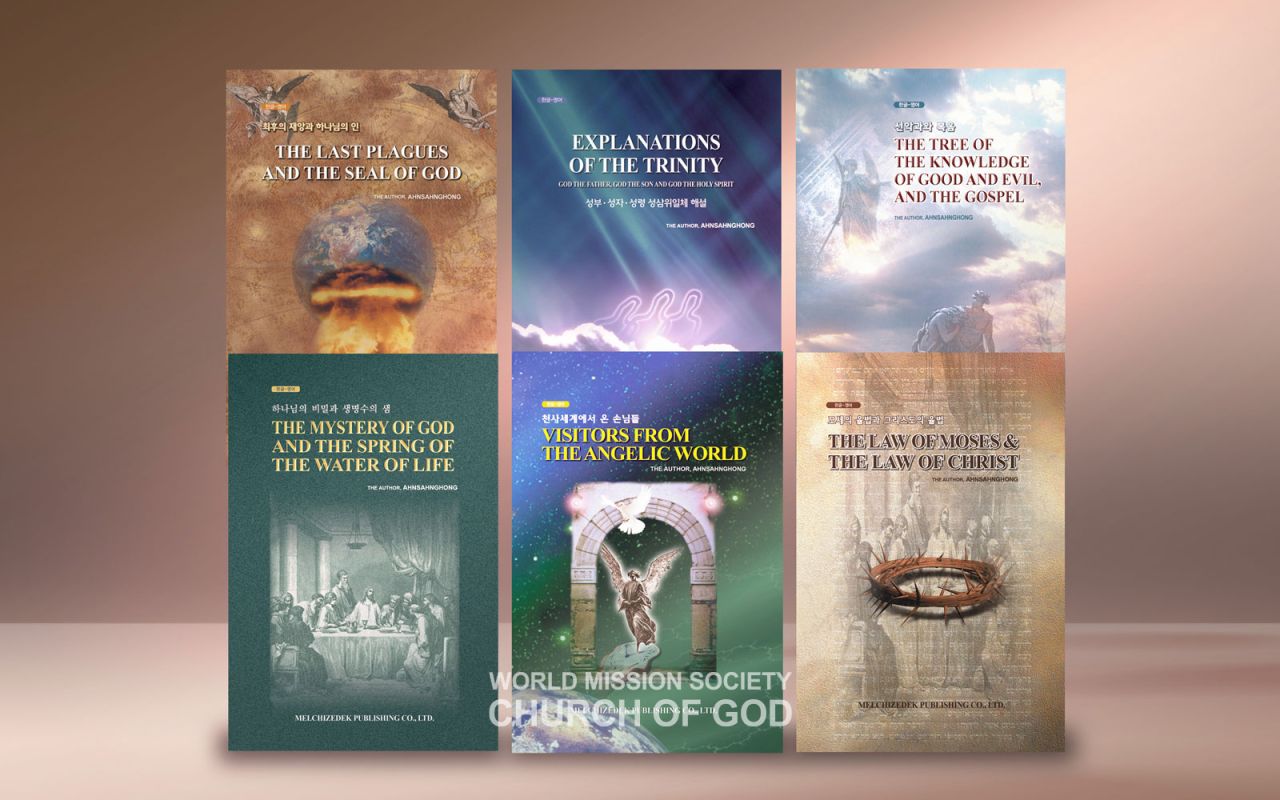
En los primeros días, la Iglesia de Dios se estableció como una Casa-Iglesia. Cristo Ahnsahnghong predicaba la verdad del nuevo pacto, yendo a todas partes del país, no solo en ciudades grandes, como Busan y Seúl, sino también en zonas rurales y pequeños pueblos costeros. No dudó en hacer arduos trabajos para administrar la iglesia y recaudar los costos para la predicación. Mientras realizaba las actividades de la obra del evangelio día y noche, se dedicó a escribir los Libros de la Verdad: La Apertura de los Siete Truenos, LOS VISITANTES DEL MUNDO ANGELICAL, EL ÁRBOL DE LA CIENCIA DEL BIEN Y DEL MAL Y EL EVANGELIO, LA LEY DE MOISÉS Y LA LEY DE CRISTO, LAS PLAGAS POSTRERAS Y EL SELLO DE DIOS, Explanations of the Trinity, and SANTO PADRE • SANTO HIJO • ESPÍRITU SANTO LAS EXPLICACIONES DE LA TRINIDAD. Su devoción permitió a la Iglesia de Dios crecer desde cuatro sedes en 1970 hasta 13 sedes en Corea en 1980.
Proclamó a Dios Madre
Cristo Ahnsahnghong proclamó a Dios Madre que aparecería al final de la profecía de la obra de la redención de Dios de seis mil años. En el prólogo de su libro Apertura de los Siete Truenos escrito en1955, escribió: “Hay una más. Aún es una niña. Aparecerá después de mí” Cristo Ahnsahnghong profetizó sobre la aparición de otra Salvadora.
En 1980, cumplió todas las verdades y publicó el libro El Misterio de Dios y la Fuente del Agua de la Vida. En cuanto a la historia del sexto día en la “profecía de la creación de los seis días” escrita en el capítulo 24 “Lo perfecto y lo imperfecto”, Cristo Ahnsahnghong interpretó la realidad del postrer Adán y la postrera Eva, como el Espíritu y la Esposa in Revelationen Apocalipsis 22:17. En la tabla que muestra la creación de los seis días como una profecía de la obra de la redención de Dios, escribió: “En el día postrero, el Espíritu y la Esposa aparecerán y guiarán a todos los animales (los gentiles).” Esta era una profecía de que el Espíritu y la Esposa vendrían en forma humana en el fin del mundo y guiarían a quienes serían salvos. El Espíritu que da el agua de la vida se refiere a Cristo en su segunda venida, Dios Padre. La Esposa que da el agua de la vida es Dios Madre, la Jerusalén celestial, la esposa del Cordero[17][18]
Cristo Ahnsahnghong se centró en proclamar a Dios Madre hacia el final de su ministerio del evangelio de 37 años. Enseñó personalmente a su sucesor, el pastor Kim Joo-cheol, y a algunos de sus discípulos acerca de Dios Madre. En sus libros de sermones, el Padre escribió: “Eliseo siguió a Elías. Josué siguió a Moisés, Pedro siguió a Jesús y yo sigo a la Madre”. Muchos de sus manuscritos y libros de sermones dan testimonio de Dios Madre.
El 15 de abril de 1984, Cristo Ahnsahnghong celebró su última Pascua en esta tierra. Ese día, la Pascua se celebró en un salón de bodas, no en la iglesia, con una vela azul y una vela roja encendidas, que simbolizan el matrimonio. En la ceremonia, reveló oficialmente a Dios Madre. El 18 de mayo de 1984, Cristo Ahnsahnghong y la Madre celestial se tomaron fotos ceremoniales con un ramo de claveles en las manos, que significan la gracia de los padres, vestidos de bodas; esto era para dejar en claro que Ella era Dios Madre.
Ascendió al cielo en 1985
![Artículo de la prensa en el que Cristo Ahnsahnghong profetizó la muerte de Cristo en su segunda venida[19]](https://churchofgod.wiki/images/8/87/%EC%A3%BC%EA%B0%84_%EC%A2%85%EA%B5%90%EC%8B%A0%EB%AC%B8.jpg)
![Artículo de la prensa en el que Cristo Ahnsahnghong profetizó la muerte de Cristo en su segunda venida[19]](/es/Archivo:%EC%A3%BC%EA%B0%84_%EC%A2%85%EA%B5%90%EC%8B%A0%EB%AC%B8.jpg)
De acuerdo con la profecía, Cristo Ahnsahnghong ascendió al cielo el 25 de febrero de 1985, después de terminar los 37 años de su ministerio público del evangelio. Predijo la muerte de Cristo en su segunda venida a través de los medios.
El 18 de marzo de 1981, con el título “Nueva Religión Desconocida: La Iglesia de Dios”, la revista Religión Semanal reportó lo siguiente: “Jesús en su segunda venida, ha de venir a la tierra en secreto, y fallecer después de predicar el evangelio por 37 años. [...] La Iglesia de Dios cree que el segundo Cristo ha de aparecer en esta época, y que lo hará en la carne, con ojos, nariz, boca y oídos [...] porque el nuevo pacto que estableció en su primera venida fue abolido durante la edad oscura. Por eso, el Señor mismo ha de venir de nuevo para restaurar la verdad de vida, el nuevo pacto [...]”
En preparación para su partida, Cristo Ahnsahnghong estableció el orden de la iglesia, para que la Iglesia de Dios creciera rectamente de acuerdo con las enseñanzas de Dios Madre. En mayo de 1984, entregó su traje ceremonial al pastor Kim Joo-cheol, proclamándolo como su sucesor y confiándole la misión de la predicación del evangelio para la salvación de toda la humanidad.
Principales enseñanzas
Cristo Ahnsahnghong nos recordó el evangelio que Jesús estableció y que los apóstoles guardaban hace dos mil años. Es solo Dios, el Espíritu Santo, quien puede restaurar el evangelio que había estado tergiversado desde la época apostólica.
"Mas el Consolador, el Espíritu Santo, a quien el Padre enviará en mi nombre, él os enseñará todas las cosas, y os recordará todo lo que yo os he dicho."
- Juan 14:26
En el siglo xvi, Martín Lutero y muchos otros reformadores criticaban la corrupción de la Iglesia católica y guiaban la Reforma. No obstante, ninguno de ellos pudo restaurar la verdad de la época apostólica. Lo mismo sucede hoy en día; muchas denominaciones e iglesias de todo el mundo no han restaurado la verdad. El Señor Ahnsahnghong es Dios Espíritu Santo, quien restauró completamente la verdad y la fe de la Iglesia primitiva.
Dios Madre
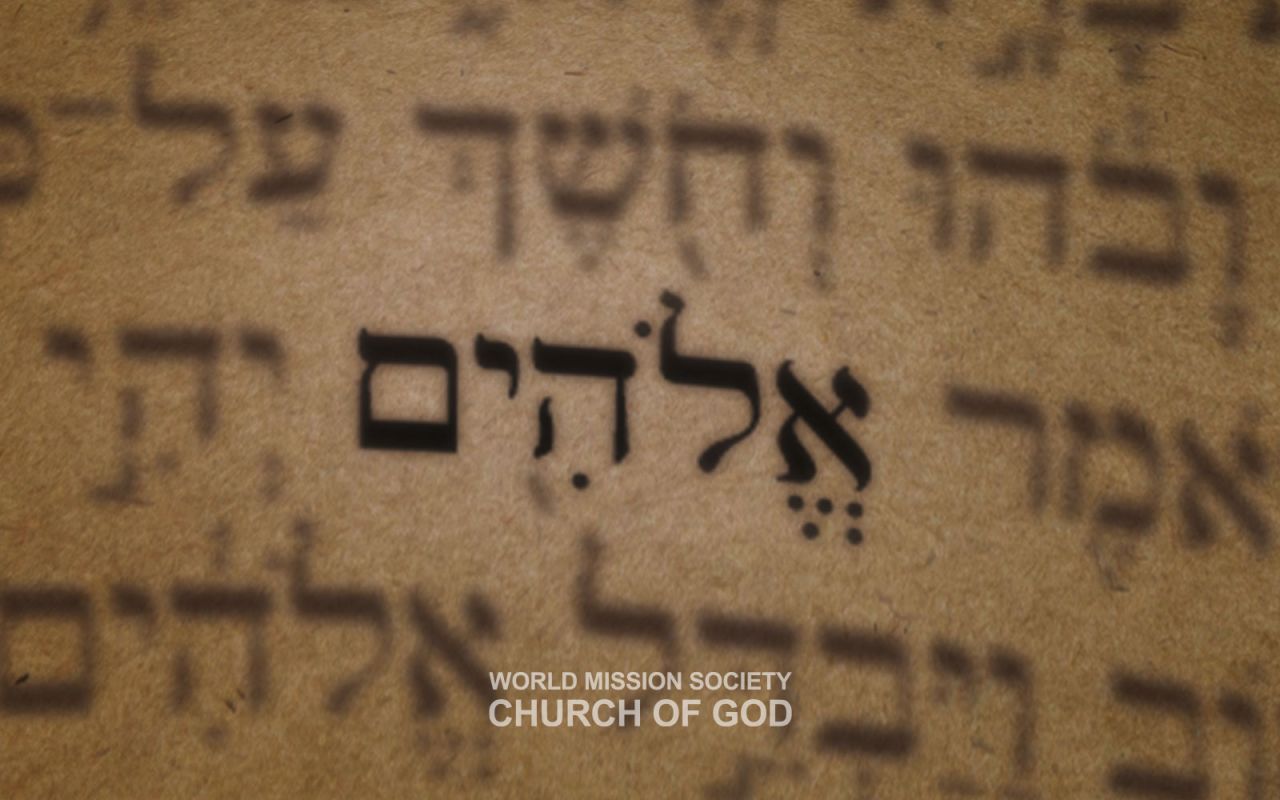

Muchas personas piensan que hay un solo Dios, el Padre. Sin embargo, también existe Dios Madre. Desde el libro de Génesis, que registra la historia de la creación del mundo, hasta el libro de Apocalipsis que profetiza sobre los últimos días, la Biblia comprueba la existencia de Dios Madre. Cristo Ahnsahnghong dio a conocer a Dios Madre por medio de varios testimonios en la Biblia: Dios, expresado en plural[20], creó varón y hembra a su imagen;[21] “nuestra Madre”, representada como la Jerusalén celestial;[22] la Esposa preparada para el banquete de bodas del Cordero;[23] y la Esposa que aparece con el Espíritu en los últimos días para dar el agua de la vida.[24] Así como todos los seres vivientes reciben la vida a través de sus madres, nuestras almas pueden recibir la vida eterna a través de Dios Madre.
El nuevo pacto, la ley de Cristo
Hay dos tipos de pactos en la Biblia: el antiguo pacto y el nuevo pacto. El antiguo pacto es la ley de Moisés, que Jehová Dios estableció a través de Moisés en el monte Sinaí[25] En los tiempos del Nuevo Testamento, Jesús cambió la ley del Antiguo Testamento a una ley perfecta —[26][27] el nuevo pacto, la ley de Cristo.[28]
Los mandamientos que Cristo Ahnsahnghong enseñó no son las leyes del Antiguo Testamento, sino las leyes de vida que llevan a la salvación, el nuevo pacto que Jesús estableció hace dos mil años.
La Pascua
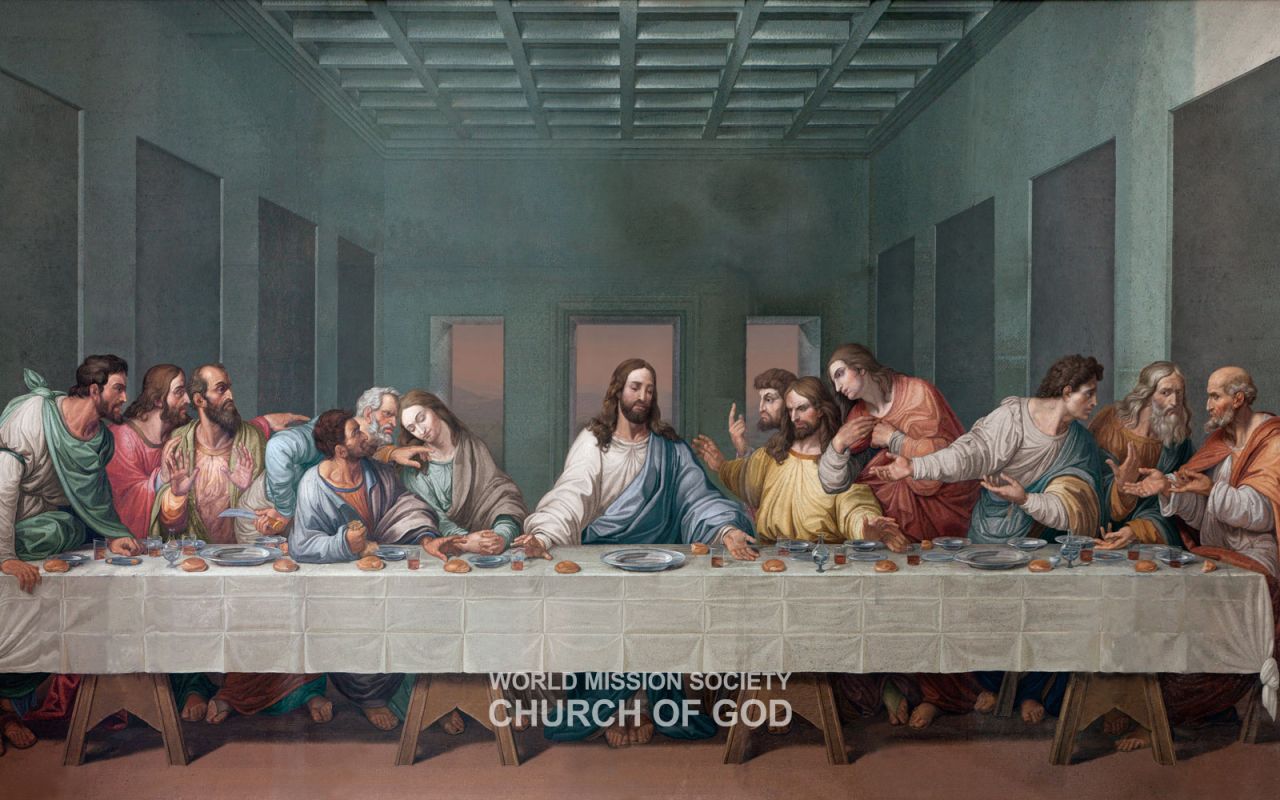

El principal mandamiento del nuevo pacto es la Pascua, la cual Jesús guardó con el pan y el vino que representan su carne y su sangre.[29] La Pascua del nuevo pacto promete el perdón de pecados y la bendición de la vida eterna.[30][31]
La Pascua es una fiesta que significa que “los desastres pasan por encima”. Los israelitas, que habían sido esclavos en Egipto en los tiempos del Antiguo Testamento, guardaron la Pascua con la sangre de un cordero, y escaparon de la gran plaga y fueron liberados de Egipto.[32] Jesús, quien vino como la realidad del cordero de la Pascua en los tiempos del Nuevo Testamento, fue sacrificado en la cruz para la salvación de toda la humanidad[33] Aquellos que guarden la Pascua del nuevo pacto serán protegidos de los desastres por medio de la preciosa sangre de Cristo y recibirán la bendición de entrar en el reino de los cielos.
Seven Feasts in Three Times
The seven feasts in three times, which originated from the work of Moses, prophesy about the work of Jesus. The photo is the inside of the Church of God History Museum’s Old Testament Hall
The seven feasts in three times are annual feasts based on the Old and New Testaments. The seven feasts are divided into three times. The first time is the Passover and the Feast of Unleavened Bread; the second time is the Day of Firstfruits [Day of Resurrection] and the Feast of Weeks [Pentecost], and the third time is the Feast of Trumpets, the Day of Atonement, and the Feast of Tabernacles. These feasts originated from the work of Moses and prophesy about the work of Jesus to be fulfilled in the New Testament times.[34][35] The feasts contain God’s blessings such as the forgiveness of sins, eternal life, resurrection, and the Holy Spirit.
- Passover: Evening of the 14th day of the first month by the sacred calendar, the Holy Supper of Jesus.
- Feast of Unleavened Bread: The 15th day of the first month by the sacred calendar, the feast commemorating the suffering of Jesus on the cross
- Day of Resurrection [Day of Firstfruits]: The day (Sunday) after the first Sabbath following the Feast of Unleavened Bread, the anniversary of the resurrection of Jesus, the Day of Firstfruits in the Old Testament
- Pentecost [Feast of Weeks]: The 50th day (Sunday) after the Day of Resurrection, the day of celebrating the descent of the Holy Spirit, the Feast of Weeks in the Old Testament
- Feast of Trumpets: The 1st day of the seventh month by the sacred calendar, the feast to prepare for the Day of Atonement through repentance
- Day of Atonement: The 10th day of the seventh month by the sacred calendar, the feast to receive atonement for the sins committed the past year
- Feast of Tabernacles: From the 15th day to the 22nd day of the seventh month by the sacred calendar, the feast of preaching according to the example of Christ, the descent of the Holy Spirit
Sabbath

The Sabbath is the commemoration day of the Creator, who made all things for six days and rested on the seventh day. Based on the Bible and historical facts, the Sabbath corresponds to Saturday in today’s seven-day system.
After the Creation in six days, God made the seventh-day Sabbath holy and proclaimed it as the fourth of the Ten Commandments in the time of Moses.[36][37] In the New Testament times, Jesus kept the Sabbath (on Saturday) as His custom.[38] Even after the Crucifixion, the early Church kept the Sabbath holy.[39] Today, most churches worship on Sunday, the first day of the week, but Christ Ahnsahnghong taught the seventh-day Sabbath as the worship day according to the Bible.
Baptism
Baptism is a ceremony in which the body of sin is buried under water and reborn into a new life.[40] The word baptism is derived from Greek βαπτισμα[41] meaning “washing, dipping.” Considering the etymology of the original Greek term, baptism should be conducted by immersion, not just by sprinkling with water. The Church of God conducts baptism as taught by Christ Ahnsahnghong.
Baptism is a sign of salvation, which is promised by God.[42] The baptism that leads to salvation should be conducted in the name of the Father, of the Son, and of the Holy Spirit,[43] and with faith in God and the gospel.[44]
Women’s Veil
The book of 1 Corinthians 11 shows God's will concerning women's veil. In the early Church, men wore nothing on their heads during prayer or worship while women covered their heads.[45] This regulation is based on the example of Christ,[46] contains God’s providence of the Creation, and was established for the order of the Church. Apostle Paul clarified that women's veil was a common practice not only in Corinth but also in all the Churches of God.[47]
In most Protestant churches today, women do not put a veil on their heads as men do not. In the Catholic Church, high-ranking male clergy put a skullcap or a hat on their heads during Mass. Apostle Paul defined this as an act of dishonoring God against the standards of the Bible.[45]
The New Command Is Love
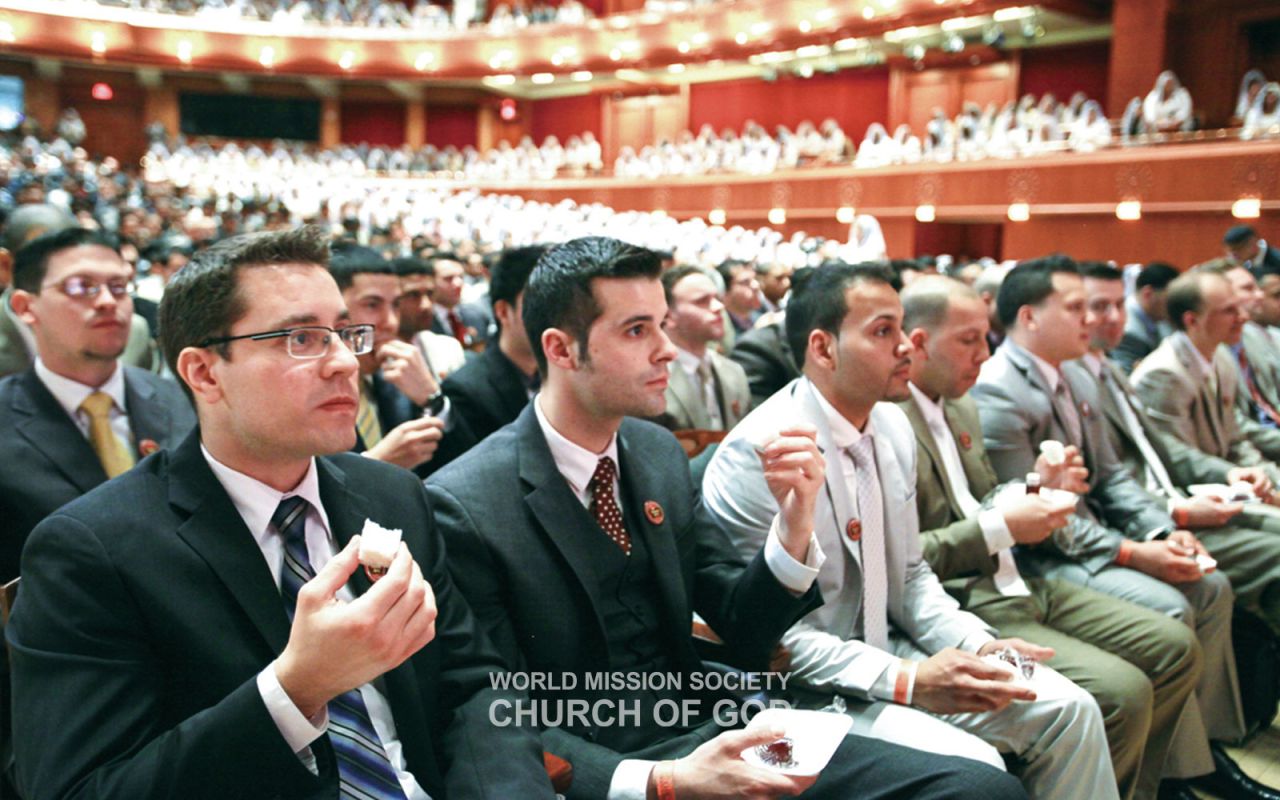

Love is the first and greatest commandment in the Bible.[48] Christ Ahnsahnghong taught that the new covenant, which was established with the Passover bread and wine, is the way to fulfill the command of love.
When Jesus established the new covenant with the Passover,[49] He gave the new command, “Love one another as I have loved you,”[50] during the Holy Supper of the Passover. The new covenant and the new command are essentially the same.[51] Those who participate in the flesh and blood of Jesus through the new covenant Passover become one in Christ.[52] The new covenant Passover is a ceremony that enables us to eat the bread and wine representing Jesus’ flesh and blood and to realize the love and sacrifice of Christ who sacrificed Himself on the cross for the salvation of mankind. This is how believers can realize the love of Christ and put into practice the new command, “Love one another.”
Soul
A person is composed of the body and the soul.[53] When a person dies, the body and the soul do not perish together; the body returns to the ground and the soul returns to God.[54] Even before being born in the flesh, all human souls existed in heaven as angels. Christ Ahnsahnghong taught where our souls came from, why we are living on this earth, and where we will return. He taught that the way for us, who are confined in the body and live a temporary life, to return to heaven is the new covenant Passover, which contains the atoning sacrifice of Christ.[55]
Church of God and Christ Ahnsahnghong
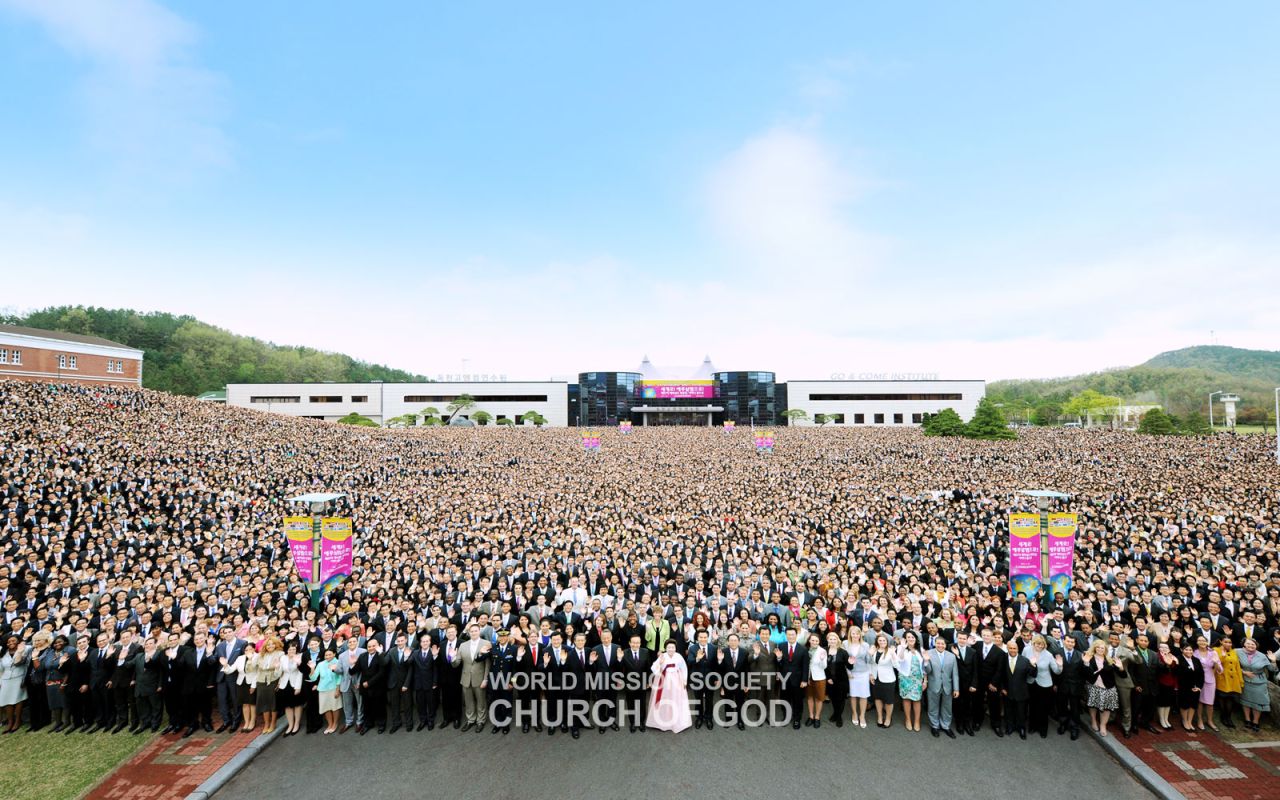

The World Mission Society Church of God was founded by Christ Ahnsahnghong in 1964. The church has inherited the original practices of the early Church established by Jesus and attended by the apostles such as Peter, John, and Paul 2,000 years ago. It has grown to become a global church with 7,500 churches in 175 countries within 50 years of its establishment. The church contributes to its neighbors, communities, and countries through diverse volunteer services according to the word of God, “Love your neighbor as yourself.”
Name
Christ Jesus established a church with His own blood 2,000 years ago.[56] The name of the church that Jesus established and that the apostles attended is the Church of God.[57][58] The name means, “the church established by God,” and “the church of which the owner is God.” According to the words, “the church established with God’s own blood,”[59] the Church of God is the only church that keeps the new covenant Passover which contains the precious blood of God.[60]
Truth and Faith
The Church of God inherited the name, truth, and faith of the early Church. According to the teachings of Christ Ahnsahnghong, the Church of God keeps the truth of the new covenant such as the seven feasts in three times (including the Passover), the Sabbath, baptism, and women's veil. The members believe in Ahnsahnghong the Christ who came a second time according to the prophecies of the Bible, and God the Mother, putting Their teachings into practice. They also aim to accomplish the mission of the last religious reformation by preaching the perfect truth established by Christ.
World Evangelism
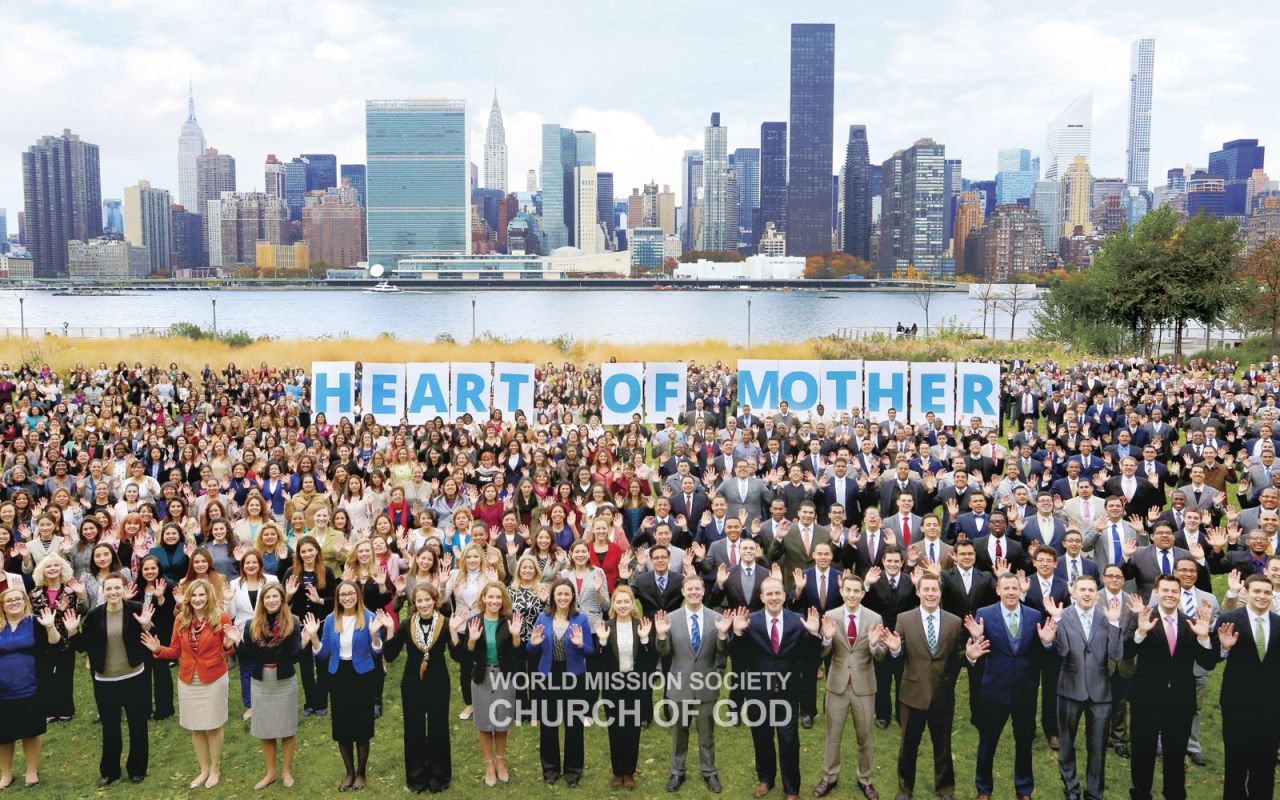

The Church of God started as a house church in Busan, Korea. By the dedication and sacrifice of Christ Ahnsahnghong, the gospel gradually spread to the metropolitan area and throughout the country. After Christ Ahnsahnghong finished His 37-year ministry, the church has devotedly preached the gospel of the new covenant and practiced God’s love, following the guidance of God the Mother. As a result, the number of registered members reached 10,000 in 1988 and 100,000 in 1996.
World evangelism, which is the mission of Christians, began in the 1990s. Before Jesus went up to heaven 2,000 years ago, He gave His last command to His disciples on the Mount of Olives: “Make disciples of all nations, and teach them to obey everything I have commanded you” (Mt 28:19–20).[61][62] Christ Ahnsahnghong too taught that the truth of salvation should be preached to all nations of the world.[63] According to His teachings, the Church of God has spurred the world mission, and now there are more than 7,500 churches in 175 countries throughout the world. In the 2000s, overseas members began to visit Korea in earnest. As of July 2019, an average of 1,500 overseas members visited Korea annually.[64]
Volunteerism
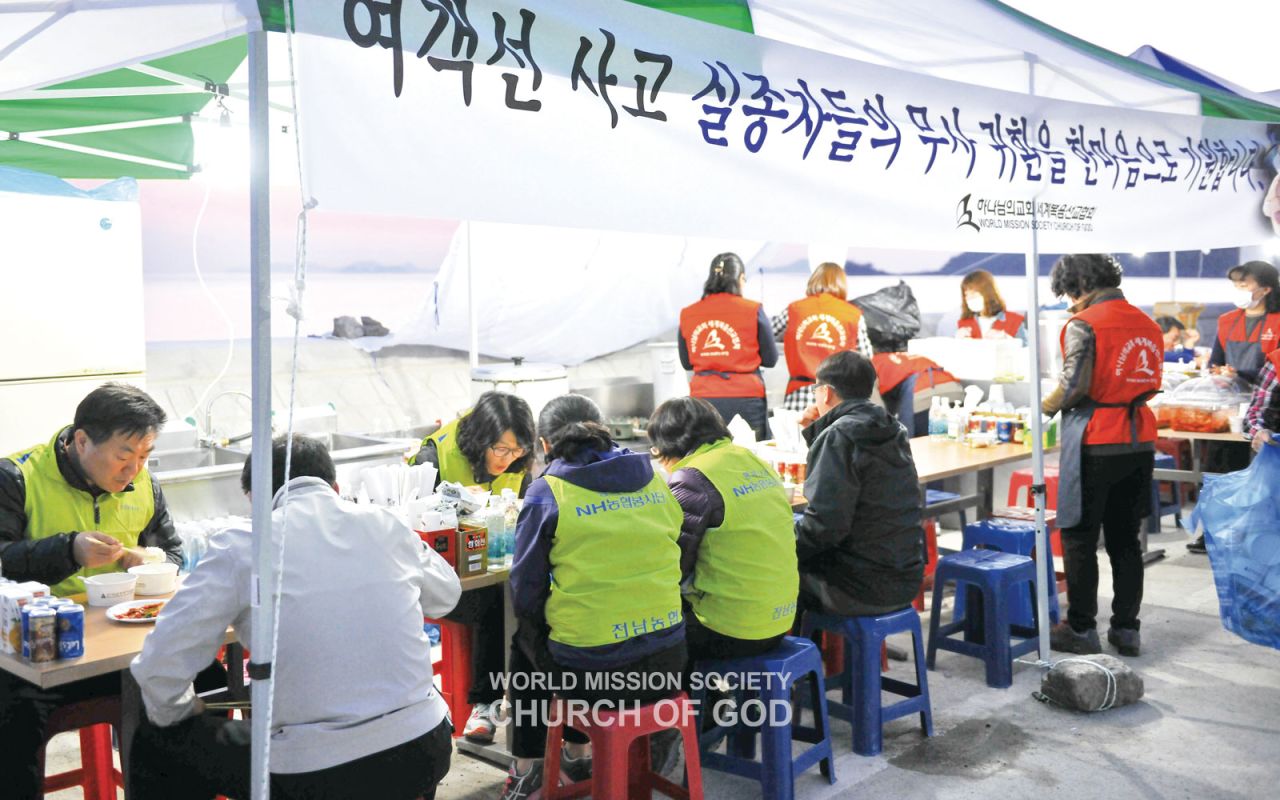


The Church of God puts into practice the love and sacrifice of Christ Ahnsahnghong throughout the world. The church provides emergency relief, medical and well-being support, blood donation, and environmental preservation activities for global neighbors suffering from disasters, hunger, diseases, and poverty, and gives courage and hope to them in various fields such as cultural communication and character education.[65] Governments, institutions, and all walks of life have presented a total of more than 3,300 awards including medals, citations, and achievement awards for the sincere volunteer service of the Church of God.[66]
- The Mystery of God and the Spring of the Water of Life
- Visitors From the Angelic World
- The Last Plagues and the Seal of God
- The Law of Moses & the Law of Christ
- The Tree of the Knowledge of Good and Evil, and the Gospel
- Explanations of the Trinity
Related videos
- Sermon: Prophecies and Christ Ahnsahnghong
- Food That Spoils & Food That Endures to Eternal Life (Sermon by Christ Ahnsahnghong)
- The Time Christ Ahnsahnghong Comes (in the official channel of Christ Ahnsahnghong)
See also
- Second Coming Jesus (Second Coming Christ)
- Timing of Jesus’ Second Coming
- Where Does Jesus Come a Second Time?
- Prophecy of King David’s Throne
- God the Mother
- World Mission Society Church of God
- Church of God Religious Reformation
- The Church of God Overseas Visiting Group
- The Church of God’s Community Service Activities
External links
References
- ↑ Plantilla:Cite web
- ↑ Plantilla:Cite web
- ↑ 3,0 3,1 Plantilla:Cite web
- ↑ Anteriormente llamado Gyenae-myeon
- ↑ Plantilla:Cite web
- ↑ Plantilla:Cite web
- ↑ Plantilla:Cite web
- ↑ Plantilla:Cite web
- ↑ Plantilla:Cite web
- ↑ Plantilla:Cite web
- ↑ Plantilla:Cite web
- ↑ Plantilla:Cite web
- ↑ Plantilla:Cite web
- ↑ Plantilla:Cite web
- ↑ Plantilla:Cite web
- ↑ Plantilla:Cite web
- ↑ Capítulo 24 Lo perfecto y lo imperfecto, EL MISTERIO DE DIOS Y LA FUENTE DEL AGUA DE LA VIDA
- ↑ Plantilla:Cite web
- ↑ 19. Religión Semanal, 18 de marzo de 1981
- ↑ Plantilla:Cite web
- ↑ Plantilla:Cite web
- ↑ Plantilla:Cite web
- ↑ Plantilla:Cite web
- ↑ Plantilla:Cite web
- ↑ Plantilla:Cite web
- ↑ Plantilla:Cite web
- ↑ Plantilla:Cite web
- ↑ Plantilla:Cite web
- ↑ |title=Lucas 22:15, 19-20
- ↑ Plantilla:Cite web
- ↑ Plantilla:Cite web
- ↑ Plantilla:Cite web
- ↑ Plantilla:Cite web
- ↑ Plantilla:Cite web
- ↑ Plantilla:Cite web
- ↑ Plantilla:Cite web
- ↑ Plantilla:Cite web
- ↑ Plantilla:Cite web
- ↑ Plantilla:Cite web
- ↑ Plantilla:Cite web
- ↑ Plantilla:Cite web
- ↑ Plantilla:Cite web
- ↑ Plantilla:Cite web
- ↑ Plantilla:Cite web
- ↑ 45,0 45,1 Plantilla:Cite web
- ↑ Plantilla:Cite web
- ↑ Plantilla:Cite web
- ↑ Plantilla:Cite web
- ↑ Plantilla:Cite web
- ↑ Plantilla:Cite web
- ↑ Plantilla:Cite web
- ↑ Plantilla:Cite web
- ↑ Plantilla:Cite web
- ↑ Plantilla:Cite web
- ↑ Chapter 25 Where Does the Human Soul Come From?, The Mystery of God and the Spring of the Water of Life
- ↑ Plantilla:Cite web
- ↑ Plantilla:Cite web
- ↑ Plantilla:Cite web
- ↑ Plantilla:Cite web
- ↑ Plantilla:Cite web
- ↑ Plantilla:Cite web
- ↑ Plantilla:Cite web
- ↑ Plantilla:Cite web
- ↑ Plantilla:Cite web
- ↑ Plantilla:Cite web
- ↑ Plantilla:Cite web
- ↑ Ahnsahnghong, Search Korea Bibliography National Library of Korea
- ↑ Plantilla:Cite web