सियोन र चाडहरू: संशोधनहरू बीचको भिन्नता
"{{그림 |최후의 만찬 유월절.jpg |너비= 300px |정렬=오른쪽섬네일 |타이틀=Jesus established the spiritual Zion by keeping the feasts of the new covenant.}} '''Zion''' and the '''feasts''' are inseparable. It is because Zion is the place appointed for God’s feasts to be celebrated holy. In the Old Testament times, the Israelites were blessed in Zion by offering sacrifices on the feasts according to the La..." सँग पृष्ठ सिर्जना गरियो |
कुनै सम्पादन सारांश छैन |
||
| पङ्क्ति १: | पङ्क्ति १: | ||
{{그림 |최후의 만찬 유월절.jpg |너비= 300px |정렬=오른쪽섬네일 |타이틀= | {{그림 |최후의 만찬 유월절.jpg |너비= 300px |정렬=오른쪽섬네일 |타이틀=येशूज्यूले नयाँ करारका चाडहरू मान्नुभएर आत्मिक सियोन स्थापना गर्नुभयो ।}} | ||
'''Zion''' and the '''feasts''' are inseparable. It is because Zion is the place appointed for God’s feasts to be celebrated holy. In the Old Testament times, the Israelites were blessed in Zion by offering sacrifices on the feasts according to the Law of Moses. Today, the saints are blessed with eternal life when they keep the feasts of the new covenant in [[spiritual Zion]]. Spiritual Zion was established by Jesus with the feasts of the new covenant in the New Testament times. There are seven annual feasts of God—the [[Passover]], the [[The Feast of Unleavened Bread|Feast of Unleavened Bread]], the [[Day of Firstfruits|Feast of Firstfruits]] ([[Day of Resurrection|Day of Resurrection]]), the [[Feast of Weeks]] ([[Pentecost]]), the [[Feast of Trumpets]], the [[Day of Atonement]], and the [[Feast of Tabernacles]]; and there is the [[Sabbath]] as a weekly feast. | '''Zion''' and the '''feasts''' are inseparable. It is because Zion is the place appointed for God’s feasts to be celebrated holy. In the Old Testament times, the Israelites were blessed in Zion by offering sacrifices on the feasts according to the Law of Moses. Today, the saints are blessed with eternal life when they keep the feasts of the new covenant in [[spiritual Zion]]. Spiritual Zion was established by Jesus with the feasts of the new covenant in the New Testament times. There are seven annual feasts of God—the [[Passover]], the [[The Feast of Unleavened Bread|Feast of Unleavened Bread]], the [[Day of Firstfruits|Feast of Firstfruits]] ([[Day of Resurrection|Day of Resurrection]]), the [[Feast of Weeks]] ([[Pentecost]]), the [[Feast of Trumpets]], the [[Day of Atonement]], and the [[Feast of Tabernacles]]; and there is the [[Sabbath]] as a weekly feast. | ||
== | '''सियोन''' र '''चाडहरू''' अविभाज्य छन् । कारण परमेश्वरका चाडहरू पवित्र रूपमा मान्नका लागि तोकिएको ठाउँ नै सियोन हो । पुरानो करारको समयमा, इस्राएलीहरूले सियोनमा मोशाको व्यवस्थाअनुसार चाडमा बलि चढाएर आशिष् पाउँथे । तर अहिलेचाहिँ सन्तहरूले आत्मिक सियोनमा नयाँ करारका चाडहरू मान्दाखेरि अनन्त जीवनको आशिष् प्राप्त गर्छन् । आत्मिक सियोनचाहिँ येशूज्यूले नयाँ करारका चाडहरूद्वारा स्थापना गर्नुभयो । परमेश्वरका चाडहरूमध्ये निस्तार-चाड, अखमिरी रोटीको चाड, अगौटे फलको चाड(पुनरुत्थानको दिन), साताहरूको चाड(पेन्तिकोसको दिन), तुरहीको चाड, प्रायश्चितको दिन र छाप्रो-वासको चाड वार्षिक चाडहरू हुन् भने शबाथ-दिन साप्ताहिक चाड हो । | ||
== सियोनको अर्थ == | |||
Zion was originally a hill in Palestine, and [[David]], the second king of Israel, conquered the fortress of Zion and made it the capital. When King Solomon built the temple of God in that area, Zion came to refer to the place where the temple of God was located. | Zion was originally a hill in Palestine, and [[David]], the second king of Israel, conquered the fortress of Zion and made it the capital. When King Solomon built the temple of God in that area, Zion came to refer to the place where the temple of God was located. | ||
In the New Testament times, Jesus, the spiritual King of David<ref>{{Cite web |url=https://www.biblegateway.com/passage/?search=Luke+1%3A31-33&version=NIV |title=Luke 1:31–33 |publisher= }}</ref>, established spiritual Zion. In regard to this, the Old Testament prophesied that God would dwell in ''Zion'' forever<ref>{{Cite web |url=https://www.biblegateway.com/passage/?search=Psalms+132%3A13-14&version=NIV |title=Psalms 132:13–14 |publisher= }}</ref> and give the blessing of eternal life.<ref>{{Cite web |url=https://www.biblegateway.com/passage/?search=Psalms+133%3A1-3&version=NIV |title=Psalms 133:1–3 |publisher= }}</ref> | In the New Testament times, Jesus, the spiritual King of David<ref>{{Cite web |url=https://www.biblegateway.com/passage/?search=Luke+1%3A31-33&version=NIV |title=Luke 1:31–33 |publisher= }}</ref>, established spiritual Zion. In regard to this, the Old Testament prophesied that God would dwell in ''Zion'' forever<ref>{{Cite web |url=https://www.biblegateway.com/passage/?search=Psalms+132%3A13-14&version=NIV |title=Psalms 132:13–14 |publisher= }}</ref> and give the blessing of eternal life.<ref>{{Cite web |url=https://www.biblegateway.com/passage/?search=Psalms+133%3A1-3&version=NIV |title=Psalms 133:1–3 |publisher= }}</ref> | ||
{{quote5 |내용= | सियोनचाहिँ वास्तवमा प्यालेस्टाइनको एउटा पहाड थियो, र इस्राएलका दोस्रो राजा दाऊदले सियोनको गढीलाई कब्जा गरेर यसलाई राजधानी बनाए । जब सोलोमन राजाले त्यो क्षेत्रमा परमेश्वरको मन्दिर निर्माण गरे, त्यस बेलादेखि सियोनचाहिँ परमेश्वरको मन्दिर रहेको ठाउँ भनेर चिनिन थाल्यो । | ||
अनि नयाँ करारको समयमा चाहिँ आत्मिक राजा दाऊद हुनुभएका येशूज्यूले आत्मिक सियोन स्थापना गर्नुभयो । यस सम्बन्धमा पुरानो करार बाइबलमा, परमेश्वर सियोनमा सदासर्वदा रहनुभएर अनन्त जीवनको आशिष् दिनुहुनेछ भनेर अगमवाणी गरिएको छ । | |||
{{quote5 |내용= हाम्रा ठहराइएका चाडहरूको सहर सियोनलाई हेर, . . . त्यहाँ परमप्रभु हाम्रा शक्तिशाली जन हुनुहुनेछ । . . . त्यहाँ बस्ने मानिसहरूका पाप क्षमा गरिनेछन् । |출처= [https://www.bible.com/bible/1483/ISA.33.NNRV यशैया ३३:२०-२४]}} | |||
Zion mentioned here is spiritual Zion. It is because the forgiveness of sins and eternal life began to be given as Jesus came in the New Testament times.<ref>{{Cite web |url=https://www.biblegateway.com/passage/?search=John+10%3A10&version=NIV |title=John 10:10 |publisher= }}</ref> The greatest characteristic of the spiritual Zion is that it is a place where [[The Feasts of God|God’s feasts]] are celebrated. The Bible teaches that God is with us in Zion and gives the forgiveness of sins. Since the wages of sin is death,<ref>{{Cite web |url=https://www.biblegateway.com/passage/?search=Romans+6%3A23&version=NIV |title=Romans 6:23 |publisher= }}</ref> only when we receive the forgiveness of sins can we be freed from death and have eternal life. In order to receive salvation, we must find Zion, the true church that keeps the feasts of God. For this, we must first know about the feasts of God. | Zion mentioned here is spiritual Zion. It is because the forgiveness of sins and eternal life began to be given as Jesus came in the New Testament times.<ref>{{Cite web |url=https://www.biblegateway.com/passage/?search=John+10%3A10&version=NIV |title=John 10:10 |publisher= }}</ref> The greatest characteristic of the spiritual Zion is that it is a place where [[The Feasts of God|God’s feasts]] are celebrated. The Bible teaches that God is with us in Zion and gives the forgiveness of sins. Since the wages of sin is death,<ref>{{Cite web |url=https://www.biblegateway.com/passage/?search=Romans+6%3A23&version=NIV |title=Romans 6:23 |publisher= }}</ref> only when we receive the forgiveness of sins can we be freed from death and have eternal life. In order to receive salvation, we must find Zion, the true church that keeps the feasts of God. For this, we must first know about the feasts of God. | ||
== | यहाँ भनिएको सियोन आत्मिक सियोन हो । किनभने पाप-क्षमा र अनन्त जीवनको आशिष् नयाँ करारको समयमा येशूज्यू आउनुभएपछि दिइन थालिएको हो । आत्मिक सियोनको सबैभन्दा ठूलो विशेषता भनेको योचाहिँ परमेश्वरका चाडहरू मनाइने ठाउँ हो । परमेश्वर सियोनमा रहनुहुन्छ र हाम्रो पाप-क्षमा गरिदिनुहुन्छ भनेर बाइबलमा शिक्षा दिइएको छ । पापको ज्याला मृत्यु भएकोले, पाप-क्षमा पाएमा मात्र मृत्यु हटेर गई अनन्त जीवन पाउन सकिन्छ । यसकारण मुक्ति पाउनको निम्ति हामीले, परमेश्वरका चाडहरू मनाइने सत्य मण्डली सियोन खोज्नुपर्छ । यसका लागि, सर्वप्रथम हामीले परमेश्वरका चाडहरूको बारेमा जान्नुपर्छ । | ||
== सियोनमा मनाइने चाड == | |||
Among the feasts God commanded us to keep, there are the Sabbath, a weekly feast; and there are annual feasts kept in three times—the Feast of Unleavened Bread, the Feast of Weeks, and the Feast of Tabernacles.<ref>{{Cite web |url=https://www.biblegateway.com/passage/?search=Deuteronomy+16%3A16-17&version=NIV |title=Deuteronomy 16:16–17 |publisher= }}</ref> In the book of Exodus, the Feast of Weeks is called the Feast of Harvest, and the Feast of Tabernacles is called the Feast of Ingathering.<ref>{{Cite web |url=https://www.biblegateway.com/passage/?search=Exodus+23%3A14-17&version=NIV |title=Exodus 23:14–17 |publisher= }}</ref> There are not only three annual feasts, but seven in total ([https://www.biblegateway.com/passage/?search=Leviticus+23&version=NIV Leviticus 23]). The three feasts are representative feasts among the seven feasts grouped into three times. So God’s annual feasts are called the ''seven feasts in three times''. | Among the feasts God commanded us to keep, there are the Sabbath, a weekly feast; and there are annual feasts kept in three times—the Feast of Unleavened Bread, the Feast of Weeks, and the Feast of Tabernacles.<ref>{{Cite web |url=https://www.biblegateway.com/passage/?search=Deuteronomy+16%3A16-17&version=NIV |title=Deuteronomy 16:16–17 |publisher= }}</ref> In the book of Exodus, the Feast of Weeks is called the Feast of Harvest, and the Feast of Tabernacles is called the Feast of Ingathering.<ref>{{Cite web |url=https://www.biblegateway.com/passage/?search=Exodus+23%3A14-17&version=NIV |title=Exodus 23:14–17 |publisher= }}</ref> There are not only three annual feasts, but seven in total ([https://www.biblegateway.com/passage/?search=Leviticus+23&version=NIV Leviticus 23]). The three feasts are representative feasts among the seven feasts grouped into three times. So God’s annual feasts are called the ''seven feasts in three times''. | ||
| पङ्क्ति १८: | पङ्क्ति २६: | ||
God instituted the feasts according to Moses’ work from the Exodus to the establishment of the [[Sanctuary (Tabernacle)|tabernacle]]. These feasts were not just the history of the past, but served as prophecies about what Jesus would do in the future. Since Jesus came as a prophet like Moses, the work of Moses was a shadow of Jesus’ work.<ref>{{Cite web |url=https://www.biblegateway.com/passage/?search=Deuteronomy+18%3A18-19&version=NIV |title=Deuteronomy 18:18–19 |publisher= }}</ref><ref>{{Cite web |url=https://www.biblegateway.com/passage/?search=Acts+3%3A20-24&version=NIV |title=Acts 3:20–24 |publisher= }}</ref> The origin of the seven feasts established according to the work of Moses and their fulfillments are as follows. | God instituted the feasts according to Moses’ work from the Exodus to the establishment of the [[Sanctuary (Tabernacle)|tabernacle]]. These feasts were not just the history of the past, but served as prophecies about what Jesus would do in the future. Since Jesus came as a prophet like Moses, the work of Moses was a shadow of Jesus’ work.<ref>{{Cite web |url=https://www.biblegateway.com/passage/?search=Deuteronomy+18%3A18-19&version=NIV |title=Deuteronomy 18:18–19 |publisher= }}</ref><ref>{{Cite web |url=https://www.biblegateway.com/passage/?search=Acts+3%3A20-24&version=NIV |title=Acts 3:20–24 |publisher= }}</ref> The origin of the seven feasts established according to the work of Moses and their fulfillments are as follows. | ||
=== | परमेश्वरले मान्नू भनेर आज्ञा गर्नुभएका चाडहरूमध्ये साप्ताहिक चाड रहेको शबाथ-दिन छ, अनि ३ चरण गरेर मान्नुपर्ने अखमिरी रोटीको चाड, साताहरूको चाड र छाप्रो-वासको चाड जस्ता वार्षिक चाडहरू पनि छन् । प्रस्थानको पुस्तकमा, साताहरूको चाडलाई कटनीको चाड र छाप्रो-वासको चाडलाई अन्न भित्र्याउने चाड भनिएको छ । अनि ३ चरणका चाडहरू भनिएकोले चाडहरू ३ वटा मात्र होइन तर जम्मा ७ वटा वार्षिक चाडहरू छन् (लेवी अध्याय २३) । ३ चरणमा वर्गीकृत ७ वटा चाडहरूमध्ये यी ३ वटा चाडहरूचाहिँ प्रतिनिधि चाडहरू हुन् । त्यसैले परमेश्वरका वार्षिक चाडहरूलाई ''३ चरणका ७ वटा चाडहरू'' भनिन्छ । पहिलो चरणमा निस्तार-चाड र अखमिरी रोटीको चाड पर्दछ, दोस्रो चरणमा अगौटे फलको चाड र पेन्तिकोसको दिन पर्दछ अनि तेस्रो चरणमा चाहिँ तुरहीको चाड, प्रायश्चितको दिन र छाप्रो-वासको चाड पर्दछ । प्रस्थानको समयदेखि पवित्र वासस्थान निर्माण हुनेसम्म मोशाले गरेका कार्यहरूद्वारा परमेश्वरले चाडहरू तोक्नुभयो । यी चाडहरू विगतको इतिहास मात्र होइन तर भविष्यमा येशूज्यूले गर्नुहुने कार्यसम्बन्धी अगमवाणी हो । येशूज्यू मोशाजस्तै अगमवक्ताको रूपमा आउनुभएकोले मोशाका कार्यहरूचाहिँ येशूज्यूका कार्यहरूका छाया हुन् । मोशाको कार्यद्वारा स्थापित ७ वटा चाडहरूको उत्पत्ति र त्यसको पूर्णता निम्नानुसार छ : | ||
=== निस्तार-चाड === | |||
* Date: Evening of the 14th day of the first month by the sacred calendar | * Date: Evening of the 14th day of the first month by the sacred calendar | ||
* मिति : पवित्र पात्रोअनुसार पहिलो महिनाको १४औँ दिनको साँझ | |||
*Origin: The Israelites, who had been slaves in Egypt, were freed by the power of the Passover ([https://www.biblegateway.com/passage/?search=Exodus+12&version=NIV Exodus 12]). | *Origin: The Israelites, who had been slaves in Egypt, were freed by the power of the Passover ([https://www.biblegateway.com/passage/?search=Exodus+12&version=NIV Exodus 12]). | ||
*उत्पत्ति : मिश्रको दासत्वमा रहेका इस्राएलीहरूले निस्तार-चाडको शक्तिद्वारा छुटकारा पाए (प्रस्थान अध्याय १२) । | |||
*Fulfillment of the Prophecy: The Israelites, who were enslaved in Egypt, are a shadow of human beings spiritually being slaves to sin in this sinful world.<ref>{{Cite web |url=https://www.biblegateway.com/passage/?search=John+8%3A32-34&version=NIV |title=John 8:32–34 |publisher= }}</ref> The Israelites were freed from Egypt through Moses by keeping the Passover with the flesh and blood of the lamb. This prophesied that God’s people would be freed from the sinful world through Jesus Christ by keeping the Passover. On this day, Jesus, who is the reality of the Passover lamb,<ref>{{Cite web |url=https://www.biblegateway.com/passage/?search=1+Corinthians+5%3A7&version=NIV |title=1 Corinthians 5:7 |publisher= }}</ref> gave the forgiveness of sins and eternal life through the bread and wine that represent His flesh and blood, and established the new covenant.<ref>{{Cite web |url=https://www.biblegateway.com/passage/?search=Matthew+26%3A17-28&version=NIV |title=Matthew 26:17–28 |publisher= }}</ref><ref>{{Cite web |url=https://www.biblegateway.com/passage/?search=Luke+22%3A7-20&version=NIV |title=Luke 22:7–20 |publisher= }}</ref> | *Fulfillment of the Prophecy: The Israelites, who were enslaved in Egypt, are a shadow of human beings spiritually being slaves to sin in this sinful world.<ref>{{Cite web |url=https://www.biblegateway.com/passage/?search=John+8%3A32-34&version=NIV |title=John 8:32–34 |publisher= }}</ref> The Israelites were freed from Egypt through Moses by keeping the Passover with the flesh and blood of the lamb. This prophesied that God’s people would be freed from the sinful world through Jesus Christ by keeping the Passover. On this day, Jesus, who is the reality of the Passover lamb,<ref>{{Cite web |url=https://www.biblegateway.com/passage/?search=1+Corinthians+5%3A7&version=NIV |title=1 Corinthians 5:7 |publisher= }}</ref> gave the forgiveness of sins and eternal life through the bread and wine that represent His flesh and blood, and established the new covenant.<ref>{{Cite web |url=https://www.biblegateway.com/passage/?search=Matthew+26%3A17-28&version=NIV |title=Matthew 26:17–28 |publisher= }}</ref><ref>{{Cite web |url=https://www.biblegateway.com/passage/?search=Luke+22%3A7-20&version=NIV |title=Luke 22:7–20 |publisher= }}</ref> | ||
''<small>{{참고| | *अगमवाणीको पूर्णता: मिश्रको दासत्वमा रहेका इस्राएलीहरूचाहिँ, यस पापमय संसारमा पापको आत्मिक दास भएका मानव-जातिका छाया हुन् । इस्राएलीहरूले थुमाको मासु र रगतद्वारा निस्तार-चाड मानेर मोशाको नेतृत्वमा मिश्रको दासत्वबाट छुटकारा पाए । योचाहिँ, परमेश्वरका प्रजाले पनि निस्तार-चाड मानेर येशूज्यूद्वारा यस पापमय संसारबाट छुटकारा पाउनेछन् भन्ने कुराको अगमवाणी हो । यो दिनमा, निस्तारको थुमाको वास्तविकता हुनुभएका येशूज्यूले उहाँको देह र रगतलाई सङ्केत गर्ने रोटी र दाखमद्यद्वारा पाप-क्षमा र अनन्त जीवन दिनुभई नयाँ करार स्थापना गर्नुभयो । | ||
''<small>{{참고|‘निस्तार-चाड’|l1=‘निस्तार-चाड’|설명=}}</small>'' | |||
=== | === अखमिरी रोटीको चाड === | ||
* Date: The 15th day of the first month by the sacred calendar | * Date: The 15th day of the first month by the sacred calendar | ||
* मिति : पवित्र पात्रोअनुसार पहिलो महिनाको १५औँ दिन | |||
*Origin: After celebrating the Passover, the Israelites left Egypt the next day and went through hardships until they finished crossing the Red Sea.<ref>{{Cite web |url=https://www.biblegateway.com/passage/?search=Exodus+14%3A1-25&version=NIV |title=Exodus 14:1–25 |publisher= }}</ref> | *Origin: After celebrating the Passover, the Israelites left Egypt the next day and went through hardships until they finished crossing the Red Sea.<ref>{{Cite web |url=https://www.biblegateway.com/passage/?search=Exodus+14%3A1-25&version=NIV |title=Exodus 14:1–25 |publisher= }}</ref> | ||
*उत्पत्ति : निस्तार-चाड मानेको भोलिपल्ट, मिश्रबाट निस्केका इस्राएलीहरूले लाल समुद्र नतरुञ्जेल चरम कष्ट भोगे । | |||
*Fulfillment of the Prophecy: To remember this suffering, the Israelites kept the Feast of Unleavened Bread by eating unleavened bread for seven days.<ref>{{Cite web |url=https://www.biblegateway.com/passage/?search=Deuteronomy+16%3A3&version=NIV |title=Deuteronomy 16:3 |publisher= }}</ref><ref>{{Cite web |url=https://www.biblegateway.com/passage/?search=Leviticus+23%3A5-6&version=NIV |title=Leviticus 23:5–6 |publisher= }}</ref> Jesus fulfilled the prophecy by going through hardships from that night after keeping the last Passover with His disciples and by being crucified the next day. In the New Testament times, we share in Christ’s sufferings by fasting on this day.<ref>{{Cite web |url=https://www.biblegateway.com/passage/?search=Mark+2%3A20&version=NIV |title=Mark 2:20 |publisher= }}</ref> | *Fulfillment of the Prophecy: To remember this suffering, the Israelites kept the Feast of Unleavened Bread by eating unleavened bread for seven days.<ref>{{Cite web |url=https://www.biblegateway.com/passage/?search=Deuteronomy+16%3A3&version=NIV |title=Deuteronomy 16:3 |publisher= }}</ref><ref>{{Cite web |url=https://www.biblegateway.com/passage/?search=Leviticus+23%3A5-6&version=NIV |title=Leviticus 23:5–6 |publisher= }}</ref> Jesus fulfilled the prophecy by going through hardships from that night after keeping the last Passover with His disciples and by being crucified the next day. In the New Testament times, we share in Christ’s sufferings by fasting on this day.<ref>{{Cite web |url=https://www.biblegateway.com/passage/?search=Mark+2%3A20&version=NIV |title=Mark 2:20 |publisher= }}</ref> | ||
''<small>{{참고| | *अगमवाणीको पूर्णता : त्यो कष्टलाई सम्झना गर्न इस्राएलीहरूले ७ दिनसम्म अखमिरी रोटी खाँदै अखमिरी रोटीको चाड माने । येशूज्यूले आफ्ना चेलाहरूसँग अन्तिम निस्तार-चाड मान्नुभएको त्यो रातदेखि कष्ट भोग्नुभयो र त्यसको भोलिपल्ट क्रूसमा टाँगिनुभएर अगमवाणी पूरा गर्नुभयो । नयाँ करारको समयमा हामीहरू उपवास बसेर ख्रीष्टको कष्टमा सहभागी हुन्छौं । | ||
''<small>{{참고|‘अखमिरी रोटीको चाड’|l1=‘अखमिरी रोटीको चाड’|설명=}}</small>'' | |||
===Day of Firstfruits (Day of Resurrection)=== | ===Day of Firstfruits (Day of Resurrection)=== | ||
१६:५०, १९ सेप्टेम्बर २०२४ जस्तै गरी पुनरावलोकन
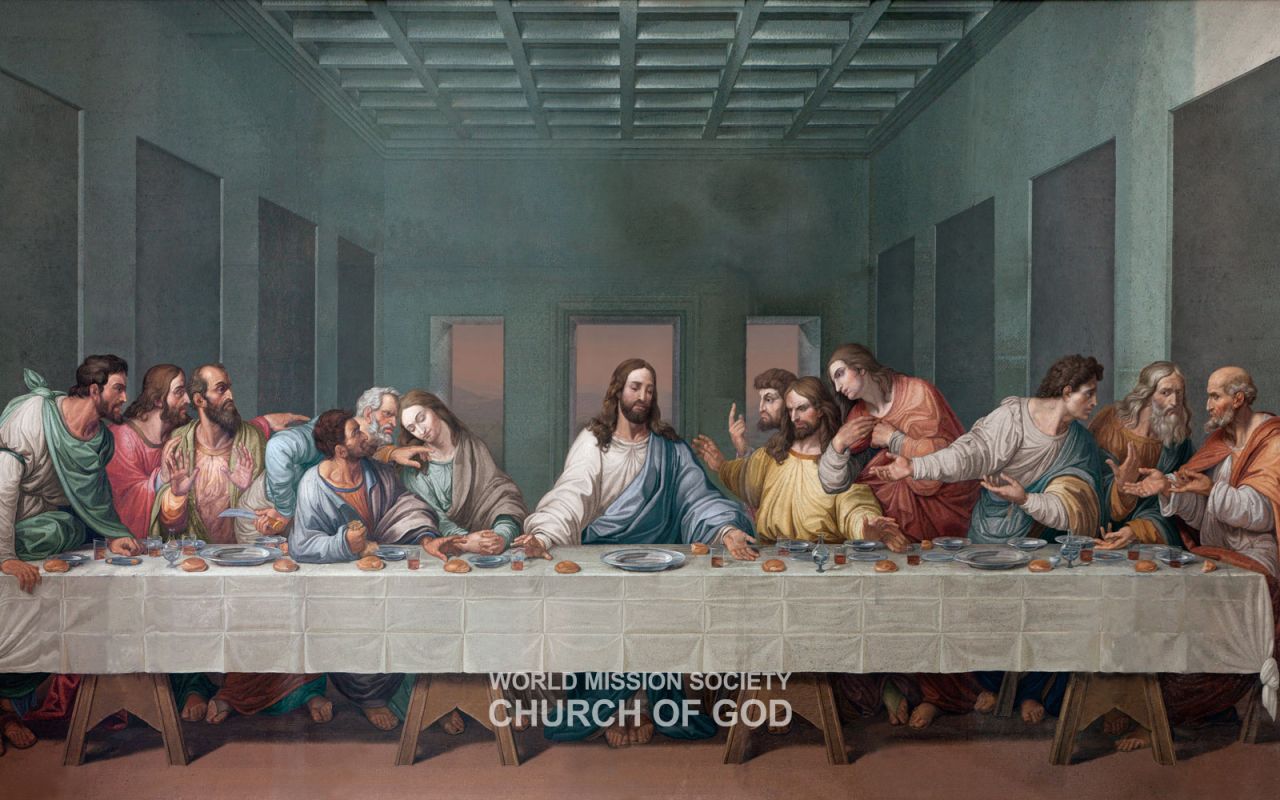

Zion and the feasts are inseparable. It is because Zion is the place appointed for God’s feasts to be celebrated holy. In the Old Testament times, the Israelites were blessed in Zion by offering sacrifices on the feasts according to the Law of Moses. Today, the saints are blessed with eternal life when they keep the feasts of the new covenant in spiritual Zion. Spiritual Zion was established by Jesus with the feasts of the new covenant in the New Testament times. There are seven annual feasts of God—the Passover, the Feast of Unleavened Bread, the Feast of Firstfruits (Day of Resurrection), the Feast of Weeks (Pentecost), the Feast of Trumpets, the Day of Atonement, and the Feast of Tabernacles; and there is the Sabbath as a weekly feast.
सियोन र चाडहरू अविभाज्य छन् । कारण परमेश्वरका चाडहरू पवित्र रूपमा मान्नका लागि तोकिएको ठाउँ नै सियोन हो । पुरानो करारको समयमा, इस्राएलीहरूले सियोनमा मोशाको व्यवस्थाअनुसार चाडमा बलि चढाएर आशिष् पाउँथे । तर अहिलेचाहिँ सन्तहरूले आत्मिक सियोनमा नयाँ करारका चाडहरू मान्दाखेरि अनन्त जीवनको आशिष् प्राप्त गर्छन् । आत्मिक सियोनचाहिँ येशूज्यूले नयाँ करारका चाडहरूद्वारा स्थापना गर्नुभयो । परमेश्वरका चाडहरूमध्ये निस्तार-चाड, अखमिरी रोटीको चाड, अगौटे फलको चाड(पुनरुत्थानको दिन), साताहरूको चाड(पेन्तिकोसको दिन), तुरहीको चाड, प्रायश्चितको दिन र छाप्रो-वासको चाड वार्षिक चाडहरू हुन् भने शबाथ-दिन साप्ताहिक चाड हो ।
सियोनको अर्थ
Zion was originally a hill in Palestine, and David, the second king of Israel, conquered the fortress of Zion and made it the capital. When King Solomon built the temple of God in that area, Zion came to refer to the place where the temple of God was located.
In the New Testament times, Jesus, the spiritual King of David[१], established spiritual Zion. In regard to this, the Old Testament prophesied that God would dwell in Zion forever[२] and give the blessing of eternal life.[३]
सियोनचाहिँ वास्तवमा प्यालेस्टाइनको एउटा पहाड थियो, र इस्राएलका दोस्रो राजा दाऊदले सियोनको गढीलाई कब्जा गरेर यसलाई राजधानी बनाए । जब सोलोमन राजाले त्यो क्षेत्रमा परमेश्वरको मन्दिर निर्माण गरे, त्यस बेलादेखि सियोनचाहिँ परमेश्वरको मन्दिर रहेको ठाउँ भनेर चिनिन थाल्यो ।
अनि नयाँ करारको समयमा चाहिँ आत्मिक राजा दाऊद हुनुभएका येशूज्यूले आत्मिक सियोन स्थापना गर्नुभयो । यस सम्बन्धमा पुरानो करार बाइबलमा, परमेश्वर सियोनमा सदासर्वदा रहनुभएर अनन्त जीवनको आशिष् दिनुहुनेछ भनेर अगमवाणी गरिएको छ ।
हाम्रा ठहराइएका चाडहरूको सहर सियोनलाई हेर, . . . त्यहाँ परमप्रभु हाम्रा शक्तिशाली जन हुनुहुनेछ । . . . त्यहाँ बस्ने मानिसहरूका पाप क्षमा गरिनेछन् ।
Zion mentioned here is spiritual Zion. It is because the forgiveness of sins and eternal life began to be given as Jesus came in the New Testament times.[४] The greatest characteristic of the spiritual Zion is that it is a place where God’s feasts are celebrated. The Bible teaches that God is with us in Zion and gives the forgiveness of sins. Since the wages of sin is death,[५] only when we receive the forgiveness of sins can we be freed from death and have eternal life. In order to receive salvation, we must find Zion, the true church that keeps the feasts of God. For this, we must first know about the feasts of God.
यहाँ भनिएको सियोन आत्मिक सियोन हो । किनभने पाप-क्षमा र अनन्त जीवनको आशिष् नयाँ करारको समयमा येशूज्यू आउनुभएपछि दिइन थालिएको हो । आत्मिक सियोनको सबैभन्दा ठूलो विशेषता भनेको योचाहिँ परमेश्वरका चाडहरू मनाइने ठाउँ हो । परमेश्वर सियोनमा रहनुहुन्छ र हाम्रो पाप-क्षमा गरिदिनुहुन्छ भनेर बाइबलमा शिक्षा दिइएको छ । पापको ज्याला मृत्यु भएकोले, पाप-क्षमा पाएमा मात्र मृत्यु हटेर गई अनन्त जीवन पाउन सकिन्छ । यसकारण मुक्ति पाउनको निम्ति हामीले, परमेश्वरका चाडहरू मनाइने सत्य मण्डली सियोन खोज्नुपर्छ । यसका लागि, सर्वप्रथम हामीले परमेश्वरका चाडहरूको बारेमा जान्नुपर्छ ।
सियोनमा मनाइने चाड
Among the feasts God commanded us to keep, there are the Sabbath, a weekly feast; and there are annual feasts kept in three times—the Feast of Unleavened Bread, the Feast of Weeks, and the Feast of Tabernacles.[६] In the book of Exodus, the Feast of Weeks is called the Feast of Harvest, and the Feast of Tabernacles is called the Feast of Ingathering.[७] There are not only three annual feasts, but seven in total (Leviticus 23). The three feasts are representative feasts among the seven feasts grouped into three times. So God’s annual feasts are called the seven feasts in three times.
In the first time, there are the Passover and the Feast of Unleavened Bread; and in the second time, there are the Day of Firstfruits and Pentecost; and in the third time, there are the Feast of Trumpets, the Day of Atonement and the Feast of Tabernacles.
God instituted the feasts according to Moses’ work from the Exodus to the establishment of the tabernacle. These feasts were not just the history of the past, but served as prophecies about what Jesus would do in the future. Since Jesus came as a prophet like Moses, the work of Moses was a shadow of Jesus’ work.[८][९] The origin of the seven feasts established according to the work of Moses and their fulfillments are as follows.
परमेश्वरले मान्नू भनेर आज्ञा गर्नुभएका चाडहरूमध्ये साप्ताहिक चाड रहेको शबाथ-दिन छ, अनि ३ चरण गरेर मान्नुपर्ने अखमिरी रोटीको चाड, साताहरूको चाड र छाप्रो-वासको चाड जस्ता वार्षिक चाडहरू पनि छन् । प्रस्थानको पुस्तकमा, साताहरूको चाडलाई कटनीको चाड र छाप्रो-वासको चाडलाई अन्न भित्र्याउने चाड भनिएको छ । अनि ३ चरणका चाडहरू भनिएकोले चाडहरू ३ वटा मात्र होइन तर जम्मा ७ वटा वार्षिक चाडहरू छन् (लेवी अध्याय २३) । ३ चरणमा वर्गीकृत ७ वटा चाडहरूमध्ये यी ३ वटा चाडहरूचाहिँ प्रतिनिधि चाडहरू हुन् । त्यसैले परमेश्वरका वार्षिक चाडहरूलाई ३ चरणका ७ वटा चाडहरू भनिन्छ । पहिलो चरणमा निस्तार-चाड र अखमिरी रोटीको चाड पर्दछ, दोस्रो चरणमा अगौटे फलको चाड र पेन्तिकोसको दिन पर्दछ अनि तेस्रो चरणमा चाहिँ तुरहीको चाड, प्रायश्चितको दिन र छाप्रो-वासको चाड पर्दछ । प्रस्थानको समयदेखि पवित्र वासस्थान निर्माण हुनेसम्म मोशाले गरेका कार्यहरूद्वारा परमेश्वरले चाडहरू तोक्नुभयो । यी चाडहरू विगतको इतिहास मात्र होइन तर भविष्यमा येशूज्यूले गर्नुहुने कार्यसम्बन्धी अगमवाणी हो । येशूज्यू मोशाजस्तै अगमवक्ताको रूपमा आउनुभएकोले मोशाका कार्यहरूचाहिँ येशूज्यूका कार्यहरूका छाया हुन् । मोशाको कार्यद्वारा स्थापित ७ वटा चाडहरूको उत्पत्ति र त्यसको पूर्णता निम्नानुसार छ :
निस्तार-चाड
- Date: Evening of the 14th day of the first month by the sacred calendar
- मिति : पवित्र पात्रोअनुसार पहिलो महिनाको १४औँ दिनको साँझ
- Origin: The Israelites, who had been slaves in Egypt, were freed by the power of the Passover (Exodus 12).
- उत्पत्ति : मिश्रको दासत्वमा रहेका इस्राएलीहरूले निस्तार-चाडको शक्तिद्वारा छुटकारा पाए (प्रस्थान अध्याय १२) ।
- Fulfillment of the Prophecy: The Israelites, who were enslaved in Egypt, are a shadow of human beings spiritually being slaves to sin in this sinful world.[१०] The Israelites were freed from Egypt through Moses by keeping the Passover with the flesh and blood of the lamb. This prophesied that God’s people would be freed from the sinful world through Jesus Christ by keeping the Passover. On this day, Jesus, who is the reality of the Passover lamb,[११] gave the forgiveness of sins and eternal life through the bread and wine that represent His flesh and blood, and established the new covenant.[१२][१३]
- अगमवाणीको पूर्णता: मिश्रको दासत्वमा रहेका इस्राएलीहरूचाहिँ, यस पापमय संसारमा पापको आत्मिक दास भएका मानव-जातिका छाया हुन् । इस्राएलीहरूले थुमाको मासु र रगतद्वारा निस्तार-चाड मानेर मोशाको नेतृत्वमा मिश्रको दासत्वबाट छुटकारा पाए । योचाहिँ, परमेश्वरका प्रजाले पनि निस्तार-चाड मानेर येशूज्यूद्वारा यस पापमय संसारबाट छुटकारा पाउनेछन् भन्ने कुराको अगमवाणी हो । यो दिनमा, निस्तारको थुमाको वास्तविकता हुनुभएका येशूज्यूले उहाँको देह र रगतलाई सङ्केत गर्ने रोटी र दाखमद्यद्वारा पाप-क्षमा र अनन्त जीवन दिनुभई नयाँ करार स्थापना गर्नुभयो ।
अखमिरी रोटीको चाड
- Date: The 15th day of the first month by the sacred calendar
- मिति : पवित्र पात्रोअनुसार पहिलो महिनाको १५औँ दिन
- Origin: After celebrating the Passover, the Israelites left Egypt the next day and went through hardships until they finished crossing the Red Sea.[१४]
- उत्पत्ति : निस्तार-चाड मानेको भोलिपल्ट, मिश्रबाट निस्केका इस्राएलीहरूले लाल समुद्र नतरुञ्जेल चरम कष्ट भोगे ।
- Fulfillment of the Prophecy: To remember this suffering, the Israelites kept the Feast of Unleavened Bread by eating unleavened bread for seven days.[१५][१६] Jesus fulfilled the prophecy by going through hardships from that night after keeping the last Passover with His disciples and by being crucified the next day. In the New Testament times, we share in Christ’s sufferings by fasting on this day.[१७]
- अगमवाणीको पूर्णता : त्यो कष्टलाई सम्झना गर्न इस्राएलीहरूले ७ दिनसम्म अखमिरी रोटी खाँदै अखमिरी रोटीको चाड माने । येशूज्यूले आफ्ना चेलाहरूसँग अन्तिम निस्तार-चाड मान्नुभएको त्यो रातदेखि कष्ट भोग्नुभयो र त्यसको भोलिपल्ट क्रूसमा टाँगिनुभएर अगमवाणी पूरा गर्नुभयो । नयाँ करारको समयमा हामीहरू उपवास बसेर ख्रीष्टको कष्टमा सहभागी हुन्छौं ।
Day of Firstfruits (Day of Resurrection)
- Date: The day after the first Sabbath [the first Sunday] following the Feast of Unleavened Bread
- Origin: The Israelites safely crossed the Red Sea, and the Egyptian army that followed them drowned in the sea.[१८]
- Fulfillment of the Prophecy: Moses’ going into the Red Sea with the people represents Jesus’ going into the tomb; and their landing from the sea represents Jesus’ resurrection. Just as a sheaf of the first grain was offered to God on the day after the first Sabbath [on Sunday] after the Feast of Unleavened Bread in the Old Testament times,[१९] Jesus was resurrected on Sunday as the firstfruits of those who had fallen asleep.[२०][२१]
Feast of Weeks (Pentecost)

- Date: The 50th day after the Day of Firstfruits
- Origin: The day Moses went up to receive the first set of the Ten Commandments.[२२]
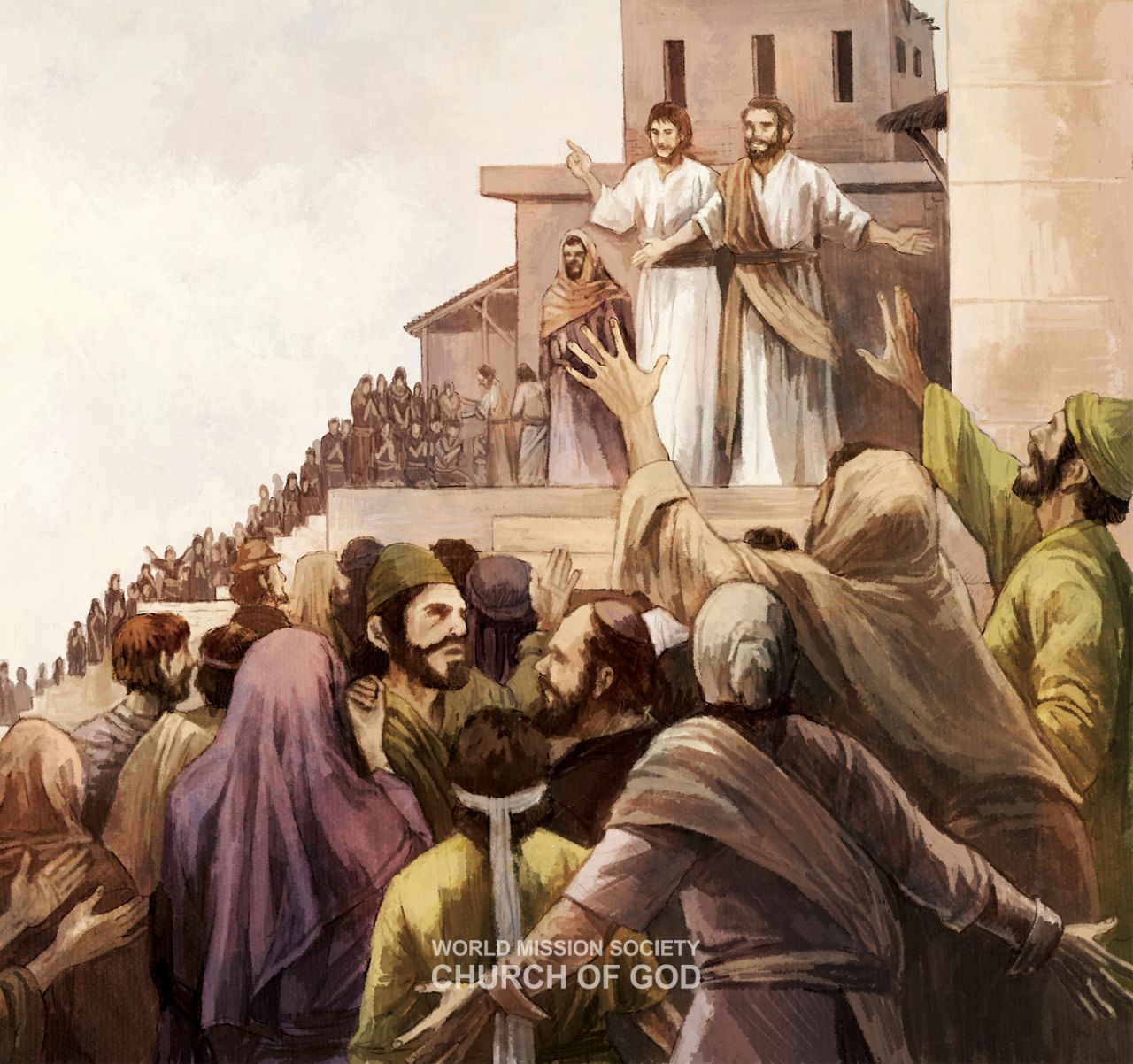
- Fulfillment of the Prophecy: On the Day of Pentecost, the 50th day from the day Jesus was resurrected, Jesus poured out the Holy Spirit.[२३] As a result, a great revival took place in the early Church.
Feast of Trumpets
- Date: The 1st day of the seventh month by the sacred calendar
- Origin: While Moses was staying on Mount Sinai for forty days to receive the Ten Commandments, the Israelites worshiped the idol of a golden calf. When Moses saw this, he threw the tablets of the Ten Commandments and broke them, and that day, 3,000 people were killed.[२४] Afterwards, the people repented of their sins and took off all their ornaments, and Moses prayed for the people. As a result, he was able to receive the second set of the Ten Commandments on the 10th day of the seventh month by the sacred calendar.[२५] God appointed the day Moses received the second set of the Ten Commandments as the Day of Atonement, and ten days before it as the Feast of Trumpets, so that the people could prepare for the Day of Atonement by blowing the trumpet of repentance.
- Fulfillment of the Prophecy: When Moses was so long in coming down from Mount Sinai, the Israelites became corrupt and worshiped a golden calf. It was a prophecy that as years passed after Jesus left, churches would become corrupt and celebrate the days of sun-god in the New Testament times. Just as trumpets were sounded to announce the Day of Atonement, the Advent Movement urging for repentance took place.
Day of Atonement
- Date: The 10th day of the seventh month by the sacred calendar
- Origin: The day Moses came down from the mountain after receiving the second set of the stone tablets of the Ten Commandments.[२४]
- Fulfillment of the Prophecy: As the Ten Commandments were given again on the Day of Atonement, Christ’s work of mediation was resumed on the Day of Atonement on October 22, 1844 (the 10th day of the seventh month by the sacred calendar). On the Day of Atonement of the Old Testament, the high priest sent the scapegoat into the wilderness after placing all the sins of the Israelites on its head by laying his hands on it.[२६] This is a prophecy that Satan represented by the scapegoat, will be thrown into the fiery hell after being imprisoned in the abyss, bearing the sins of all people.
Feast of Tabernacles
- Date: From the 15th day to the 22nd day of the seventh month by the sacred calendar
- Origin: After coming down from Mount Sinai after receiving the second set of the Ten Commandments, Moses delivered to the Israelites God’s will to build the tabernacle. For seven days, starting on the fifteenth day of the month, the people brought in overflowing materials for the tabernacle.[२७]
- Fulfillment of the Prophecy: On the Feast of Tabernacles, the Israelites built tents out of thick branches and rejoiced for a week.[२८][२९] Since the materials for the temple and tree branches represent the saints who will be saved,[३०][३१][३२][३३] the Feast of Tabernacles is a prophecy about the gospel work of gathering the saints who will be saved.
The True Church Keeping the Feasts

In the Old Testament times, the Israelites were blessed by keeping God’s feasts in Zion, following the Law of Moses.[३४] In the New Testament times, the church that worships holy and keeps[३५][३६] the seven feasts in three times, following the examples of Jesus, is the spiritual Zion where we can be blessed with eternal life.
Today, the World Mission Society Church of God is the only true church that keeps the feasts of God as the Bible teaches.
See also
Related videos
- Sermon: Zion Where the Feasts Are Celebrated
References
- ↑ "Luke 1:31–33"।
- ↑ "Psalms 132:13–14"।
- ↑ "Psalms 133:1–3"।
- ↑ "John 10:10"।
- ↑ "Romans 6:23"।
- ↑ "Deuteronomy 16:16–17"।
- ↑ "Exodus 23:14–17"।
- ↑ "Deuteronomy 18:18–19"।
- ↑ "Acts 3:20–24"।
- ↑ "John 8:32–34"।
- ↑ "1 Corinthians 5:7"।
- ↑ "Matthew 26:17–28"।
- ↑ "Luke 22:7–20"।
- ↑ "Exodus 14:1–25"।
- ↑ "Deuteronomy 16:3"।
- ↑ "Leviticus 23:5–6"।
- ↑ "Mark 2:20"।
- ↑ "Exodus 14:26–31"।
- ↑ "Leviticus 23:10–12"।
- ↑ "1 Corinthians 15:20"।
- ↑ "Mark 16:9"।
- ↑ "Exodus 24:12–18"।
- ↑ "Acts 2:1–4"।
- ↑ २४.० २४.१ "Exodus 32:1–28"।
- ↑ "Exodus 34:1–35"।
- ↑ "Leviticus 16:8–10"।
- ↑ "Exodus 36:3–5"।
- ↑ "Leviticus 23:39–43"।
- ↑ "Nehemiah 8:9–18"।
- ↑ "Revelation 3:12"।
- ↑ "Isaiah 2:20–22"।
- ↑ "Isaiah 60:21"।
- ↑ "Isaiah 61:3"।
- ↑ "Leviticus 23:1–2"।
- ↑ "Romans 12:1"।
- ↑ "John 4:23-24"।