The Commandments of God: Difference between revisions
Created page with "{{그림|하나님의교회 세계복음선교협회 새예루살렘 판교성전 예배.jpg |정렬=오른쪽섬네일 | 너비=320px| 타이틀=Worshiping according to God’s commandments at the New Jerusalem Pangyo Temple of the World Mission Society Church of God}} '''God’s commandments''' encompass the commands, laws, regulations, covenants, and feasts given by God for the salvation of mankind. They provide a path for h..." |
m Text replacement - "[[Parables by Jesus" to "[[Parables of Jesus" |
||
| (9 intermediate revisions by 2 users not shown) | |||
| Line 1: | Line 1: | ||
{{그림|하나님의교회 세계복음선교협회 새예루살렘 판교성전 예배.jpg |정렬=오른쪽섬네일 | 너비=320px| 타이틀=[[Worship]]ing according to God’s commandments at the [[The New Jerusalem Pangyo Temple|New Jerusalem Pangyo Temple]] of the World Mission Society Church of God}} | <!-- interlanguage:start -->[[ko:하나님의 계명]]<!-- interlanguage:end -->{{그림|하나님의교회 세계복음선교협회 새예루살렘 판교성전 예배.jpg |정렬=오른쪽섬네일 | 너비=320px| 타이틀=[[Worship]]ing according to God’s commandments at the [[The New Jerusalem Pangyo Temple|New Jerusalem Pangyo Temple]] of the World Mission Society Church of God}} | ||
'''God’s commandments''' encompass the commands, laws, regulations, covenants, and feasts given by [[God]] for the salvation of mankind. They provide a path for humanity, which has fallen into sin and death and grown distant from God, to return to Him. Those commandments fulfill God’s providence of redemption and reflect His boundless love for humanity. By keeping God’s commandments, humans can be purified, liberated from the prison of the [[soul]], that is, this [[City of Refuge|earth]], and ultimately return to their [[Kingdom of Heaven|eternal heavenly home]]. God’s people, who will be saved, cherish and diligently observe His commandments. | '''God’s commandments''' encompass the commands, laws, regulations, covenants, and feasts given by [[God]] for the salvation of mankind. They provide a path for humanity, which has fallen into sin and death and grown distant from God, to return to Him. Those commandments fulfill God’s providence of redemption and reflect His boundless love for humanity. By keeping God’s commandments, humans can be purified, liberated from the prison of the [[soul]], that is, this [[City of Refuge|earth]], and ultimately return to their [[Kingdom of Heaven|eternal heavenly home]]. God’s people, who will be saved, cherish and diligently observe His commandments. | ||
| Line 5: | Line 5: | ||
The term ''commandment'' literally means “an order to obey.” God’s commandments, simply put, refer to all the orders God has given to His people. The [[Bible]] records God’s commandments as His commands, laws, regulations, covenants, and feasts. These terms do not mean different things; the law is the commandment,<ref>{{Cite web |url=https://www.biblegateway.com/passage/?search=Exodus+16%3A28&version=NIV |title=Exodus 16:28 |publisher= |quote= }}</ref><ref>{{Cite web |url=https://www.biblegateway.com/passage/?search=Exodus+24%3A12&version=NIV |title=Exodus 24:12 |publisher= |quote= }}</ref><ref>{{Cite web |url=https://www.biblegateway.com/passage/?search=Ephesians+2%3A15&version=NIV |title=Ephesians 2:15 |publisher= |quote= }}</ref><ref>{{Cite web |url=https://www.biblegateway.com/passage/?search=Hebrews+7%3A16&version=NIV |title=Hebrews 7:16 |publisher= |quote= }}</ref> and the commandment is the covenant.<ref>{{Cite web |url=https://www.biblegateway.com/passage/?search=Exodus+34%3A28&version=NIV |title=Exodus 34:28 |publisher= |quote= }}</ref><ref>{{Cite web |url=https://www.biblegateway.com/passage/?search=Deuteronomy+4%3A13&version=NIV |title=Deuteronomy 4:13 |publisher= |quote= }}</ref><ref>{{Cite web |url=https://www.biblegateway.com/passage/?search=Hebrews+9%3A18-20&version=NIV |title=Hebrews 9:18–20 |publisher= |quote= }}</ref> The feasts that God commands to observe are also God’s commandments<ref>{{Cite web |url=https://www.biblegateway.com/passage/?search=Exodus%2034%3A18%2C%2022%2C%2028&version=NIV |title=Exodus 34:18, 22, 28 |publisher= |quote= }}</ref> and His laws.<ref>{{Cite web |url=https://www.biblegateway.com/passage/?search=2+Chronicles+31%3A3&version=NIV |title=2 Chronicles 31:3 |publisher= |quote= }}</ref><ref>{{Cite web |url=https://www.biblegateway.com/passage/?search=Nehemiah+8%3A14&version=NIV |title=Nehemiah 8:14 |publisher= |quote= }}</ref> For example, during the Passover Supper, Jesus’ words are recorded in the Gospel of John as a “new commandment” and in the other three Gospels as the “new covenant”<ref>{{Cite web |url=https://www.biblegateway.com/passage/?search=Luke+22%3A20&version=NIV |title=Luke 22:20 |publisher= |quote= }}</ref><ref>{{Cite web |url=https://www.biblegateway.com/passage/?search=John+13%3A34&version=NIV |title=John 13:34 |publisher= |quote= }}</ref>—ultimately meaning the same thing. | The term ''commandment'' literally means “an order to obey.” God’s commandments, simply put, refer to all the orders God has given to His people. The [[Bible]] records God’s commandments as His commands, laws, regulations, covenants, and feasts. These terms do not mean different things; the law is the commandment,<ref>{{Cite web |url=https://www.biblegateway.com/passage/?search=Exodus+16%3A28&version=NIV |title=Exodus 16:28 |publisher= |quote= }}</ref><ref>{{Cite web |url=https://www.biblegateway.com/passage/?search=Exodus+24%3A12&version=NIV |title=Exodus 24:12 |publisher= |quote= }}</ref><ref>{{Cite web |url=https://www.biblegateway.com/passage/?search=Ephesians+2%3A15&version=NIV |title=Ephesians 2:15 |publisher= |quote= }}</ref><ref>{{Cite web |url=https://www.biblegateway.com/passage/?search=Hebrews+7%3A16&version=NIV |title=Hebrews 7:16 |publisher= |quote= }}</ref> and the commandment is the covenant.<ref>{{Cite web |url=https://www.biblegateway.com/passage/?search=Exodus+34%3A28&version=NIV |title=Exodus 34:28 |publisher= |quote= }}</ref><ref>{{Cite web |url=https://www.biblegateway.com/passage/?search=Deuteronomy+4%3A13&version=NIV |title=Deuteronomy 4:13 |publisher= |quote= }}</ref><ref>{{Cite web |url=https://www.biblegateway.com/passage/?search=Hebrews+9%3A18-20&version=NIV |title=Hebrews 9:18–20 |publisher= |quote= }}</ref> The feasts that God commands to observe are also God’s commandments<ref>{{Cite web |url=https://www.biblegateway.com/passage/?search=Exodus%2034%3A18%2C%2022%2C%2028&version=NIV |title=Exodus 34:18, 22, 28 |publisher= |quote= }}</ref> and His laws.<ref>{{Cite web |url=https://www.biblegateway.com/passage/?search=2+Chronicles+31%3A3&version=NIV |title=2 Chronicles 31:3 |publisher= |quote= }}</ref><ref>{{Cite web |url=https://www.biblegateway.com/passage/?search=Nehemiah+8%3A14&version=NIV |title=Nehemiah 8:14 |publisher= |quote= }}</ref> For example, during the Passover Supper, Jesus’ words are recorded in the Gospel of John as a “new commandment” and in the other three Gospels as the “new covenant”<ref>{{Cite web |url=https://www.biblegateway.com/passage/?search=Luke+22%3A20&version=NIV |title=Luke 22:20 |publisher= |quote= }}</ref><ref>{{Cite web |url=https://www.biblegateway.com/passage/?search=John+13%3A34&version=NIV |title=John 13:34 |publisher= |quote= }}</ref>—ultimately meaning the same thing. | ||
In the Old Testament, the [[The Ten Commandments|Ten Commandments]], given to [[Moses]] on the stone tablets, were the representative commandments of God. In the New Testament, the [[Law of Moses]] was transformed into the [[Law of Christ]].<ref>{{Cite web |url=https://www.biblegateway.com/passage/?search=Matthew+5%3A17&version=NIV |title=Matthew 5:17 |publisher= |quote= }}</ref><ref>{{Cite web |url=https://www.biblegateway.com/passage/?search=Hebrews+7%3A12&version=NIV |title=Hebrews 7:12 |publisher= |quote= }}</ref> The Law of Christ, which was made complete, includes the [[Passover]] which [[Jesus]] kept as part of the [[New Covenant|new covenant]], [[The Feasts of God|feasts]] such as the [[Sabbath]], ceremonies such as [[baptism]] and [[Foot-Washing Ceremony|foot-washing ceremony]]<ref>{{Cite web |url=https://www.biblegateway.com/passage/?search=John+13%3A14-15&version=NIV |title=John 13:14–15 |publisher= |quote= }}</ref> which He Himself demonstrated, and His [[Teachings of Jesus Christ|teachings]].<ref>{{Cite web |url=https://www.biblegateway.com/passage/?search=Luke+17%3A4&version=NIV |title=Luke 17:4 |publisher= |quote= }}</ref><ref>{{Cite web |url=https://www.biblegateway.com/passage/?search=Matthew+5%3A22&version=NIV |title=Matthew 5:22 |publisher= |quote= }}</ref> The truths Jesus taught and demonstrated during His ministry to lead the saints to the kingdom of heaven are called the “[[gospel]],” meaning “good news” or “blessed news.” This [[Gospel of the Kingdom|gospel of the kingdom]] is also God’s '''commandment''' that must be observed in the New Testament era.<small>{{참고|Law of Christ|Gospel of the Kingdom|설명=}}</small> | In the Old Testament, the [[The Ten Commandments|Ten Commandments]], given to [[Moses]] on the stone tablets, were the representative commandments of God. In the New Testament, the [[The Law of Moses]] was transformed into the [[Law of Christ]].<ref>{{Cite web |url=https://www.biblegateway.com/passage/?search=Matthew+5%3A17&version=NIV |title=Matthew 5:17 |publisher= |quote= }}</ref><ref>{{Cite web |url=https://www.biblegateway.com/passage/?search=Hebrews+7%3A12&version=NIV |title=Hebrews 7:12 |publisher= |quote= }}</ref> The Law of Christ, which was made complete, includes the [[Passover]] which [[Jesus]] kept as part of the [[New Covenant|new covenant]], [[The Feasts of God|feasts]] such as the [[Sabbath]], ceremonies such as [[baptism]] and [[Foot-Washing Ceremony|foot-washing ceremony]]<ref>{{Cite web |url=https://www.biblegateway.com/passage/?search=John+13%3A14-15&version=NIV |title=John 13:14–15 |publisher= |quote= }}</ref> which He Himself demonstrated, and His [[The Teachings of Jesus Christ|teachings]].<ref>{{Cite web |url=https://www.biblegateway.com/passage/?search=Luke+17%3A4&version=NIV |title=Luke 17:4 |publisher= |quote= }}</ref><ref>{{Cite web |url=https://www.biblegateway.com/passage/?search=Matthew+5%3A22&version=NIV |title=Matthew 5:22 |publisher= |quote= }}</ref> The truths Jesus taught and demonstrated during His ministry to lead the saints to the kingdom of heaven are called the “[[gospel]],” meaning “good news” or “blessed news.” This [[Gospel of the Kingdom|gospel of the kingdom]] is also God’s '''commandment''' that must be observed in the New Testament era.<small>{{참고|Law of Christ|Gospel of the Kingdom|설명=}}</small> | ||
==Importance of God’s Commandment== | ==Importance of God’s Commandment== | ||
===Leading to Heaven=== | ===Leading to Heaven=== | ||
To enter the [[Kingdom of Heaven|kingdom of heaven]], one must keep God’s commandments. One of [[Parables | To enter the [[Kingdom of Heaven|kingdom of heaven]], one must keep God’s commandments. One of [[Parables of Jesus|Jesus’ parables]] includes the story of the rich man and Lazarus.<ref>{{Cite web |url=https://www.biblegateway.com/passage/?search=Luke+16%3A19-20&version=NIV |title=Luke 16:19–20 |publisher= |quote= }}</ref> Lazarus died and went to heaven, while the rich man went to [[hell]]. The rich man, suffering in the flames, pleaded with Father [[Abraham]] (representing [[God the Father]]) to send Lazarus to his family so that they would not come to such a place. God replied, “They have Moses and the Prophets; let them listen to them.”<ref>{{Cite web |url=https://www.biblegateway.com/passage/?search=Luke+16%3A29&version=NIV |title=Luke 16:29 |publisher= |quote= }}</ref> | ||
Moses was the one who was called to deliver God’s commands to the Israelites,<ref>{{Cite web |url=https://www.biblegateway.com/passage/?search=Exodus+19%3A3&version=NIV |title=Exodus 19:3 |publisher= |quote= }}</ref> and the prophets were also those who carried out the mission of preaching God’s laws.<ref>{{Cite web |url=https://www.biblegateway.com/passage/?search=2+Kings+17%3A13&version=NIV |title=2 Kings 17:13 |publisher= |quote= }}</ref> Therefore, what they must hear is God’s commandments and laws. In the Parable of the Rich Man and Lazarus, God emphasized God’s commandments, saying, “If they do not listen to Moses and the Prophets, they will not be convinced even if someone rises from the dead.”<ref>{{Cite web |url=https://www.biblegateway.com/passage/?search=Luke+16%3A31&version=NIV |title=Luke 16:31 |publisher= |quote= }}</ref> This suggests that keeping God’s commandments is necessary to avoid hell and enter heaven. Similarly, even in the New Testament era, one must hear and keep God’s commandments. | Moses was the one who was called to deliver God’s commands to the Israelites,<ref>{{Cite web |url=https://www.biblegateway.com/passage/?search=Exodus+19%3A3&version=NIV |title=Exodus 19:3 |publisher= |quote= }}</ref> and the prophets were also those who carried out the mission of preaching God’s laws.<ref>{{Cite web |url=https://www.biblegateway.com/passage/?search=2+Kings+17%3A13&version=NIV |title=2 Kings 17:13 |publisher= |quote= }}</ref> Therefore, what they must hear is God’s commandments and laws. In the Parable of the Rich Man and Lazarus, God emphasized God’s commandments, saying, “If they do not listen to Moses and the Prophets, they will not be convinced even if someone rises from the dead.”<ref>{{Cite web |url=https://www.biblegateway.com/passage/?search=Luke+16%3A31&version=NIV |title=Luke 16:31 |publisher= |quote= }}</ref> This suggests that keeping God’s commandments is necessary to avoid hell and enter heaven. Similarly, even in the New Testament era, one must hear and keep God’s commandments. | ||
| Line 23: | Line 23: | ||
===Expression of Love=== | ===Expression of Love=== | ||
Keeping God’s commandments is an expression of love for God. People desire to convey their love to the ones they care for. They express intangible, invisible love through tangible acts | Keeping God’s commandments is an expression of love for God. People desire to convey their love to the ones they care for. They express intangible, invisible love through tangible acts, such as giving flowers, gifts, or letters to make others happy. God desires us to express our love for Him by keeping His commandments. | ||
{{quote5 |내용= “Whoever has '''my commands [God’s commands]''' and obeys them, he is the one who loves me.” |출처= [https://www.biblegateway.com/passage/?search=John%2014%3A21&version=NIV John 14:21]}}{{quote5 |내용= This is love for God: to obey '''his commands [God’s commands]'''. And his commands are not burdensome. |출처= [https://www.biblegateway.com/passage/?search=1%20John%205%3A3&version=NIV 1 John 5:3]}} | {{quote5 |내용= “Whoever has '''my commands [God’s commands]''' and obeys them, he is the one who loves me.” |출처= [https://www.biblegateway.com/passage/?search=John%2014%3A21&version=NIV John 14:21]}}{{quote5 |내용= This is love for God: to obey '''his commands [God’s commands]'''. And his commands are not burdensome. |출처= [https://www.biblegateway.com/passage/?search=1%20John%205%3A3&version=NIV 1 John 5:3]}} | ||
| Line 32: | Line 32: | ||
==Saints Who Keep God’s Commandments== | ==Saints Who Keep God’s Commandments== | ||
{{그림|최후의 만찬 유월절.jpg |정렬=오른쪽섬네일 | 너비=320px |타이틀=Jesus keeps the Passover with His disciples. The Passover, God’s commandment, must be kept until the end of the age.}} | {{그림|최후의 만찬 유월절.jpg |정렬=오른쪽섬네일 | 너비=320px |타이틀=Jesus keeps the Passover with His disciples. The Passover, God’s commandment, must be kept until the end of the age.}} | ||
The saints whom [[John (Apostle)|Apostle John]] saw through revelation as the people who would be saved in the last days, keep God’s commandments.<ref>{{Cite web |url=https://www.biblegateway.com/passage/?search=Revelation+14%3A12&version=NIV |title=Revelation 14:12 |publisher= |quote= }}</ref> Among those who believe in God, there are those who neglect God’s commandments, thinking that faith alone is enough for salvation. While it is true that faith is important for salvation, if | The saints whom [[John (Apostle)|Apostle John]] saw through revelation as the people who would be saved in the last days, keep God’s commandments.<ref>{{Cite web |url=https://www.biblegateway.com/passage/?search=Revelation+14%3A12&version=NIV |title=Revelation 14:12 |publisher= |quote= }}</ref> Among those who believe in God, there are those who neglect God’s commandments, thinking that faith alone is enough for salvation. While it is true that faith is important for salvation, if people consider faith to be merely a belief or thought, they are misunderstanding the biblical concept of ''faith''. All the forefathers of faith in the Bible acted with deeds. [[Noah]] built the ark in obedience to God’s word, [[Abraham]] left his homeland, and [[Moses]] observed the Passover with the Israelites.<ref>{{Cite web |url=https://www.biblegateway.com/passage/?search=Hebrews%2011%3A7%E2%80%938%2C%2028&version=NIV |title=Hebrews 11:7–8, 28 |publisher= |quote= }}</ref> These actions were all the results of their faith. In other words, faith always involves actions that come from obedience to God’s word.<ref>{{Cite web |url=https://www.biblegateway.com/passage/?search=James+2%3A17-26&version=NIV |title=James 2:17–26 |publisher= |quote= }}</ref> Likewise, in the New Testament era, God’s people must accompany their faith with actions by keeping God’s commandments, specifically the truth of the new covenant. | ||
{{quote5 |내용= Then the dragon was enraged at the woman and went off to make war against the rest of her offspring—those who obey '''God’s commandments''' and hold to the testimony of Jesus. |출처= [https://www.biblegateway.com/passage/?search=Revelation%2012%3A17&version=NIV Revelation 12:17]}} | {{quote5 |내용= Then the dragon was enraged at the woman and went off to make war against the rest of her offspring—those who obey '''God’s commandments''' and hold to the testimony of Jesus. |출처= [https://www.biblegateway.com/passage/?search=Revelation%2012%3A17&version=NIV Revelation 12:17]}} | ||
| Line 41: | Line 41: | ||
==Those Who Forsake God’s Commandments== | ==Those Who Forsake God’s Commandments== | ||
To those who forsake God’s commandments, God gives “statutes that are not good and laws they cannot live by.”<ref>{{Cite web |url=https://www.biblegateway.com/passage/?search=Ezekiel+20%3A25&version=NIV |title=Ezekiel 20:25 |publisher= |quote= }}</ref> These are the commandments of men. Just because someone performs an act with the intention of praising and worshiping God does not automatically make it God’s command. Any tradition or teaching of men | To those who forsake God’s commandments, God gives “statutes that are not good and laws they cannot live by.”<ref>{{Cite web |url=https://www.biblegateway.com/passage/?search=Ezekiel+20%3A25&version=NIV |title=Ezekiel 20:25 |publisher= |quote= }}</ref> These are the commandments of men. Just because someone performs an act with the intention of praising and worshiping God does not automatically make it God’s command. Any tradition or teaching of men that is not commanded by God or supported by the Bible is the “[[Teachings of Men|commandment of men]].” An example of this is [[Jeroboam]], the king of the ancient [[Northern Kingdom of Israel|northern kingdom of Israel]], who called a golden calf image “God” and conducted sacrifices on a date he arbitrarily set.<ref>{{Cite web |url=https://www.biblegateway.com/passage/?search=1+Kings+12%3A33&version=NIV |title=1 Kings 12:33 |publisher= |quote= }}</ref> Today, [[Lord’s Day Worship (Sunday Worship)|Sunday worship]], [[Christmas]], [[cross]] reverence, and [[Thanksgiving Day]] are the same examples. When people follow the commandments of men, wisdom and understanding of God vanish<ref>{{Cite web |url=https://www.biblegateway.com/passage/?search=Isaiah+29%3A13-14&version=NIV |title=Isaiah 29:13–14 |publisher= |quote= }}</ref> and ultimately, they worship God in vain.<ref>{{Cite web |url=https://www.biblegateway.com/passage/?search=Matthew+15%3A7-9&version=NIV |title=Matthew 15:7–9 |publisher= |quote= }}</ref> | ||
{{quote5 |내용= He replied, “Isaiah was right when he prophesied about you hypocrites; as it is written: ‘These people honor me with their lips, but their hearts are far from me. They '''worship me in vain'''; their teachings are but '''rules taught by men'''.’ You have let go of the commands of God and are holding on to the traditions of men.” And he said to them: “You have a fine way of setting aside the commands of God in order to observe your own traditions!” |출처= [https://www.biblegateway.com/passage/?search=Mark%207%3A6%E2%80%939&version=NIV Mark 7:6–9]}} | {{quote5 |내용= He replied, “Isaiah was right when he prophesied about you hypocrites; as it is written: ‘These people honor me with their lips, but their hearts are far from me. They '''worship me in vain'''; their teachings are but '''rules taught by men'''.’ You have let go of the commands of God and are holding on to the traditions of men.” And he said to them: “You have a fine way of setting aside the commands of God in order to observe your own traditions!” |출처= [https://www.biblegateway.com/passage/?search=Mark%207%3A6%E2%80%939&version=NIV Mark 7:6–9]}} | ||
| Line 52: | Line 52: | ||
<youtube>ZDGFSikdPBQ</youtube> | <youtube>ZDGFSikdPBQ</youtube> | ||
==See also= | ==See also== | ||
*[[Law of Christ]] | *[[Law of Christ]] | ||
*[[The Feasts of God]] | *[[The Feasts of God]] | ||
Latest revision as of 14:40, 30 October 2025
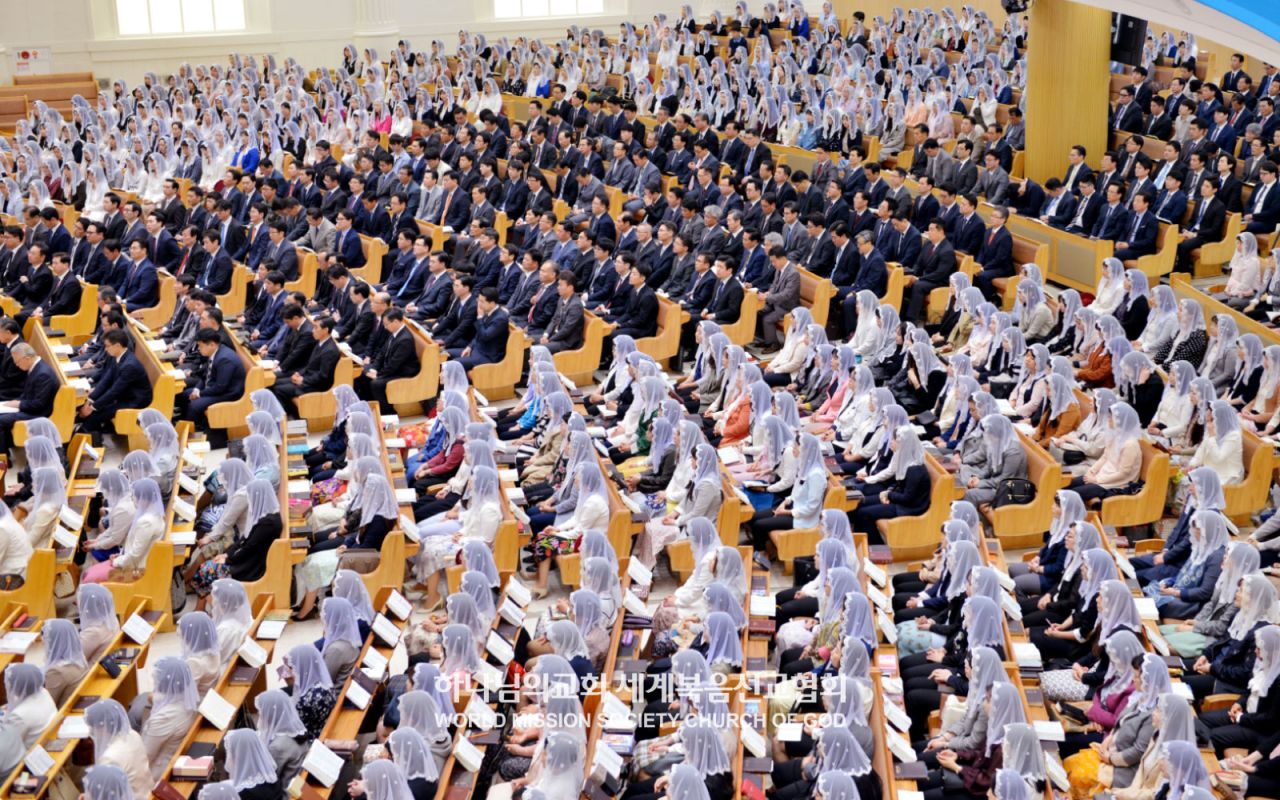

God’s commandments encompass the commands, laws, regulations, covenants, and feasts given by God for the salvation of mankind. They provide a path for humanity, which has fallen into sin and death and grown distant from God, to return to Him. Those commandments fulfill God’s providence of redemption and reflect His boundless love for humanity. By keeping God’s commandments, humans can be purified, liberated from the prison of the soul, that is, this earth, and ultimately return to their eternal heavenly home. God’s people, who will be saved, cherish and diligently observe His commandments.
What Are God’s Commandments?
The term commandment literally means “an order to obey.” God’s commandments, simply put, refer to all the orders God has given to His people. The Bible records God’s commandments as His commands, laws, regulations, covenants, and feasts. These terms do not mean different things; the law is the commandment,[1][2][3][4] and the commandment is the covenant.[5][6][7] The feasts that God commands to observe are also God’s commandments[8] and His laws.[9][10] For example, during the Passover Supper, Jesus’ words are recorded in the Gospel of John as a “new commandment” and in the other three Gospels as the “new covenant”[11][12]—ultimately meaning the same thing.
In the Old Testament, the Ten Commandments, given to Moses on the stone tablets, were the representative commandments of God. In the New Testament, the The Law of Moses was transformed into the Law of Christ.[13][14] The Law of Christ, which was made complete, includes the Passover which Jesus kept as part of the new covenant, feasts such as the Sabbath, ceremonies such as baptism and foot-washing ceremony[15] which He Himself demonstrated, and His teachings.[16][17] The truths Jesus taught and demonstrated during His ministry to lead the saints to the kingdom of heaven are called the “gospel,” meaning “good news” or “blessed news.” This gospel of the kingdom is also God’s commandment that must be observed in the New Testament era.
Importance of God’s Commandment
Leading to Heaven
To enter the kingdom of heaven, one must keep God’s commandments. One of Jesus’ parables includes the story of the rich man and Lazarus.[18] Lazarus died and went to heaven, while the rich man went to hell. The rich man, suffering in the flames, pleaded with Father Abraham (representing God the Father) to send Lazarus to his family so that they would not come to such a place. God replied, “They have Moses and the Prophets; let them listen to them.”[19]
Moses was the one who was called to deliver God’s commands to the Israelites,[20] and the prophets were also those who carried out the mission of preaching God’s laws.[21] Therefore, what they must hear is God’s commandments and laws. In the Parable of the Rich Man and Lazarus, God emphasized God’s commandments, saying, “If they do not listen to Moses and the Prophets, they will not be convinced even if someone rises from the dead.”[22] This suggests that keeping God’s commandments is necessary to avoid hell and enter heaven. Similarly, even in the New Testament era, one must hear and keep God’s commandments.
“Not everyone who says to me, ‘Lord, Lord,’ will enter the kingdom of heaven, but only he who does the will of my Father [God’s commandments] who is in heaven. ‘Away from me, you evildoers!’ ”
Promise of Blessings
God is the Almighty who governs life and death, fortune and misfortune of mankind.[23][24] In the history of the kings of Israel, when they adhered to God’s commandments and laws, they were protected from foreign invasions and ruled their country with stability.[25][26] Thus, the way to receive blessings from God is by keeping His commandments.
All these blessings will come upon you and accompany you if you obey the LORD your God [God’s commandments]: You will be blessed in the city and blessed in the country. The fruit of your womb will be blessed, and the crops of your land and the young of your livestock—the calves of your herds and the lambs of your flocks.
Each of God’s commandments has its own meaning, and blessings are promised accordingly. For example, the Sabbath, which was instituted to commemorate the seventh day when God rested after His creation, contains blessings of holiness and eternal rest.[27][28] The Passover promises blessings of protection from disaster, forgiveness of sins, and eternal life,[29][30][31] while Pentecost and the Feast of Tabernacles promise blessings of early and latter rain, symbolizing the blessings of the Holy Spirit.[32][33][34] By remembering and keeping God’s commandments, one understands the truth of these ceremonies and receives the spiritual blessings promised in it.
Expression of Love
Keeping God’s commandments is an expression of love for God. People desire to convey their love to the ones they care for. They express intangible, invisible love through tangible acts, such as giving flowers, gifts, or letters to make others happy. God desires us to express our love for Him by keeping His commandments.
“Whoever has my commands [God’s commands] and obeys them, he is the one who loves me.”
This is love for God: to obey his commands [God’s commands]. And his commands are not burdensome.
God’s commandments are not only a way for humans to express their love for God, but also a way for God to express His love for His people. He did not give commandments to be served but to pour out heavenly blessings on His people. Through His commandments, God is creating His people anew,[35] making them holy in Christ.[36] By sacrificing Himself on the cross, He became the ultimate offering for all the feasts, paving the way to salvation for all humanity, which was otherwise destined to die.[37][38] God’s commandments embody His profound love.
Saints Who Keep God’s Commandments
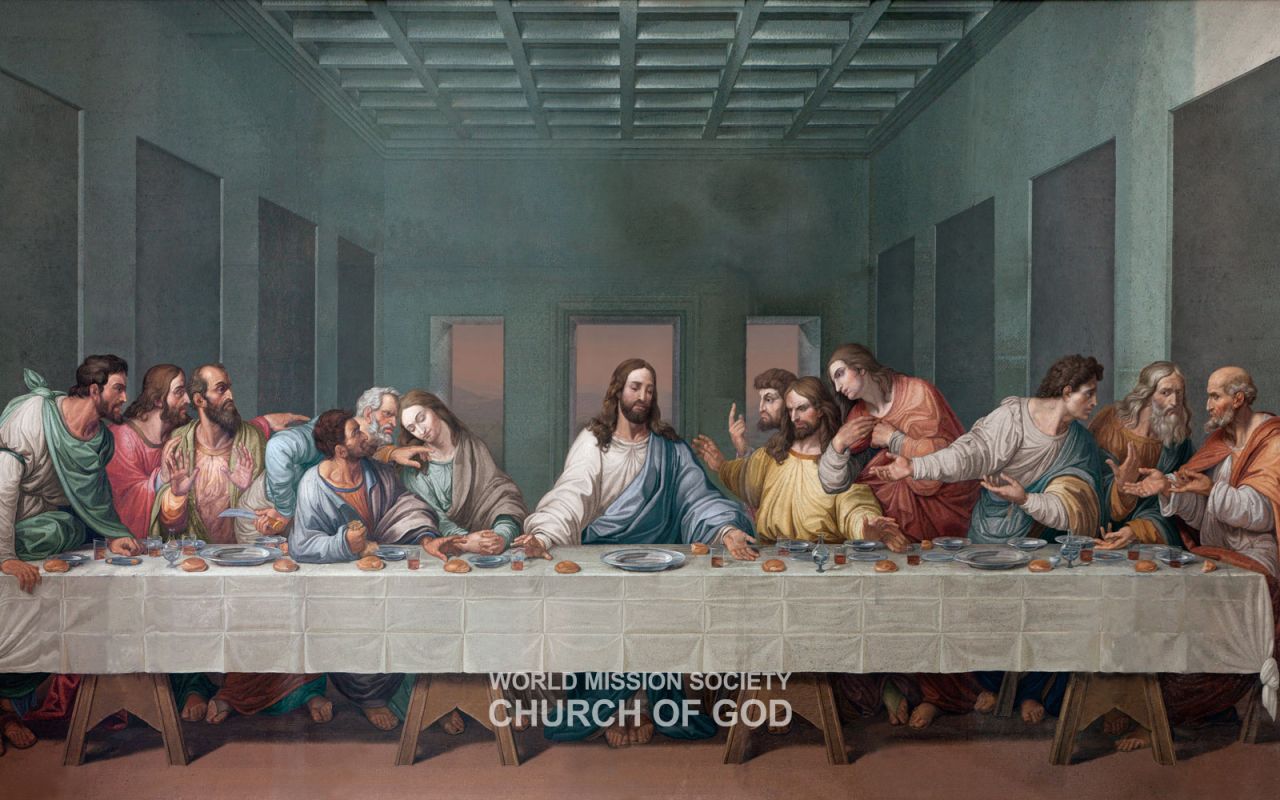

The saints whom Apostle John saw through revelation as the people who would be saved in the last days, keep God’s commandments.[39] Among those who believe in God, there are those who neglect God’s commandments, thinking that faith alone is enough for salvation. While it is true that faith is important for salvation, if people consider faith to be merely a belief or thought, they are misunderstanding the biblical concept of faith. All the forefathers of faith in the Bible acted with deeds. Noah built the ark in obedience to God’s word, Abraham left his homeland, and Moses observed the Passover with the Israelites.[40] These actions were all the results of their faith. In other words, faith always involves actions that come from obedience to God’s word.[41] Likewise, in the New Testament era, God’s people must accompany their faith with actions by keeping God’s commandments, specifically the truth of the new covenant.
Then the dragon was enraged at the woman and went off to make war against the rest of her offspring—those who obey God’s commandments and hold to the testimony of Jesus.
The dragon represents Satan the devil.[42] In the last days, the ones who will be opposed by the devil and fight against him are the saints who stand with God. The Bible reveals that the characteristic of these saints is that they keep God’s commandments. In every age, God’s people cherish and diligently keep God’s commandments.[43] David said that he loved God’s commandments more than pure gold.[44] God declared that the Sabbath is an eternal sign between Him and His people.[45] It means that God will separate His people, based on whether or not they keep His commandments. Keeping God’s commandments is an expression of faith in God who has commanded us to keep those commandments. The saints who will be saved in the last days will not only have faith in Christ but will also stand with God by keeping His commandments.
Those Who Forsake God’s Commandments
To those who forsake God’s commandments, God gives “statutes that are not good and laws they cannot live by.”[46] These are the commandments of men. Just because someone performs an act with the intention of praising and worshiping God does not automatically make it God’s command. Any tradition or teaching of men that is not commanded by God or supported by the Bible is the “commandment of men.” An example of this is Jeroboam, the king of the ancient northern kingdom of Israel, who called a golden calf image “God” and conducted sacrifices on a date he arbitrarily set.[47] Today, Sunday worship, Christmas, cross reverence, and Thanksgiving Day are the same examples. When people follow the commandments of men, wisdom and understanding of God vanish[48] and ultimately, they worship God in vain.[49]
He replied, “Isaiah was right when he prophesied about you hypocrites; as it is written: ‘These people honor me with their lips, but their hearts are far from me. They worship me in vain; their teachings are but rules taught by men.’ You have let go of the commands of God and are holding on to the traditions of men.” And he said to them: “You have a fine way of setting aside the commands of God in order to observe your own traditions!”
To worship God in vain means not being saved. Even if someone believes that they are saved while following the commandments of men, true salvation can only be achieved when God, the Savior, acknowledges it. If someone keeps the commandments of men, they will not be recognized to believe or even to know God.[50] In the Bible, sin refers to lawlessness, that is, breaking God’s laws and commandments.[51] Those who forsake God’s commandments and practice lawlessness, even if they have their own faith, they will never enter the kingdom of heaven.[52]
Related videos
- Sermon: The Lawless Can Never Enter Heaven
See also
- Law of Christ
- The Feasts of God
- Teachings of Men
- New Covenant
- Gospel
- Kingdom of Heaven
- City of Refuge
References
- ↑ "Exodus 16:28".
- ↑ "Exodus 24:12".
- ↑ "Ephesians 2:15".
- ↑ "Hebrews 7:16".
- ↑ "Exodus 34:28".
- ↑ "Deuteronomy 4:13".
- ↑ "Hebrews 9:18–20".
- ↑ "Exodus 34:18, 22, 28".
- ↑ "2 Chronicles 31:3".
- ↑ "Nehemiah 8:14".
- ↑ "Luke 22:20".
- ↑ "John 13:34".
- ↑ "Matthew 5:17".
- ↑ "Hebrews 7:12".
- ↑ "John 13:14–15".
- ↑ "Luke 17:4".
- ↑ "Matthew 5:22".
- ↑ "Luke 16:19–20".
- ↑ "Luke 16:29".
- ↑ "Exodus 19:3".
- ↑ "2 Kings 17:13".
- ↑ "Luke 16:31".
- ↑ "Genesis 49:25".
- ↑ "Deuteronomy 30:15".
- ↑ "1 Kings 2:1–3, 12".
- ↑ "2 Kings 18:5–7".
- ↑ "Exodus 20:11".
- ↑ "Hebrews 4:3".
- ↑ "Exodus 12:13".
- ↑ "John 6:54".
- ↑ "Matthew 26:28".
- ↑ "Joel 2:23".
- ↑ "Acts 2:1–4".
- ↑ "John 7:37–39".
- ↑ "John 5:17".
- ↑ "2 Corinthians 5:17".
- ↑ "Hebrews 9:12".
- ↑ "1 Corinthians 5:7".
- ↑ "Revelation 14:12".
- ↑ "Hebrews 11:7–8, 28".
- ↑ "James 2:17–26".
- ↑ "Revelation 12:9".
- ↑ "Zephaniah 3:18".
- ↑ "Psalms 119:127".
- ↑ "Exodus 31:13".
- ↑ "Ezekiel 20:25".
- ↑ "1 Kings 12:33".
- ↑ "Isaiah 29:13–14".
- ↑ "Matthew 15:7–9".
- ↑ "1 John 2:3-4".
- ↑ "1 John 3:4".
- ↑ "Matthew 7:21–23".