Gospel of the Kingdom: Difference between revisions
m Text replacement - "[[Law of Moses" to "[[The Law of Moses" |
m Text replacement - "[[Old Covenant" to "[[The Old Covenant" |
||
| (10 intermediate revisions by 2 users not shown) | |||
| Line 1: | Line 1: | ||
{{그림|회당에서 가르치시는 예수님.jpg |정렬=오른쪽섬네일 | 너비=320px| 타이틀=Jesus preached the gospel of the kingdom.}} | <!-- interlanguage:start -->[[ko:천국 복음]]<!-- interlanguage:end -->{{그림|회당에서 가르치시는 예수님.jpg |정렬=오른쪽섬네일 | 너비=320px| 타이틀=Jesus preached the gospel of the kingdom.}} | ||
The '''gospel of the kingdom''' is the good news that mankind, spiritual sinners, can go to the kingdom of heaven through Jesus’ sacrifice on the cross. Jesus taught the truth that grants forgiveness of sins and eternal life, and He fulfilled all truths as the [[New Covenant|new covenant]] through His precious blood shed on the [[cross]]. | The '''gospel of the kingdom''' is the good news that mankind, spiritual sinners, can go to the kingdom of heaven through Jesus’ sacrifice on the cross. Jesus taught the truth that grants forgiveness of sins and eternal life, and He fulfilled all truths as the [[New Covenant|new covenant]] through His precious blood shed on the [[cross]]. | ||
| Line 31: | Line 31: | ||
{{quote5 |내용=He went to Nazareth, where he had been brought up, and on the Sabbath day he went into the synagogue, as was his custom. And he stood up to read. |출처=[https://www.biblegateway.com/passage/?search=Luke%204%3A16&version=NIV Luke 4:16]}} | {{quote5 |내용=He went to Nazareth, where he had been brought up, and on the Sabbath day he went into the synagogue, as was his custom. And he stood up to read. |출처=[https://www.biblegateway.com/passage/?search=Luke%204%3A16&version=NIV Luke 4:16]}} | ||
The Sabbath is the memorial day of the [[Creator]],<ref>{{Cite web |url=https://www.biblegateway.com/passage/?search=Genesis+2%3A1-3&version=NIV |title=Genesis 2:1–3 |publisher= |quote= }}</ref> originating from the fact that [[Six-Day Creation|God made all things in six days]] and rested on the seventh day. In the time of [[Moses]], it was appointed as the fourth commandment of the [[The Ten Commandments|Ten Commandments]]<ref>{{Cite web |url=https://www.biblegateway.com/passage/?search=Exodus+20%3A8-11&version=NIV |title=Exodus 20:8–11 |publisher= |quote= }}</ref> and it became part of the codified law. By keeping the Sabbath according to His custom, Jesus affirmed that the Sabbath is a law that must never be changed or abolished. He transformed the Sabbath of the Old Testament—observed with the shedding of animal blood—into a time of [[worship]] through prayer and praise in spirit and truth, made possible by the precious blood of [[Christ]], the true sacrifice.<ref name="마 5장">{{Cite web |url=https://www.biblegateway.com/passage/?search=Matthew+5%3A17&version=NIV |title=Matthew 5:17 |publisher= |quote= }}</ref><ref>{{Cite web |url=https://www.biblegateway.com/passage/?search=John+4%3A23&version=NIV |title=John 4:23 |publisher= |quote= }}</ref> | The Sabbath is the memorial day of the [[The Creator|Creator]],<ref>{{Cite web |url=https://www.biblegateway.com/passage/?search=Genesis+2%3A1-3&version=NIV |title=Genesis 2:1–3 |publisher= |quote= }}</ref> originating from the fact that [[Six-Day Creation|God made all things in six days]] and rested on the seventh day. In the time of [[Moses]], it was appointed as the fourth commandment of the [[The Ten Commandments|Ten Commandments]]<ref>{{Cite web |url=https://www.biblegateway.com/passage/?search=Exodus+20%3A8-11&version=NIV |title=Exodus 20:8–11 |publisher= |quote= }}</ref> and it became part of the codified law. By keeping the Sabbath according to His custom, Jesus affirmed that the Sabbath is a law that must never be changed or abolished. He transformed the Sabbath of the Old Testament—observed with the shedding of animal blood—into a time of [[worship]] through prayer and praise in spirit and truth, made possible by the precious blood of [[Christ]], the true sacrifice.<ref name="마 5장">{{Cite web |url=https://www.biblegateway.com/passage/?search=Matthew+5%3A17&version=NIV |title=Matthew 5:17 |publisher= |quote= }}</ref><ref>{{Cite web |url=https://www.biblegateway.com/passage/?search=John+4%3A23&version=NIV |title=John 4:23 |publisher= |quote= }}</ref> | ||
{{참고|Sabbath }} | {{참고|Sabbath }} | ||
| Line 40: | Line 40: | ||
Jesus said that those who eat [[Son of Man|His]] flesh and drink His blood will live forever.<ref>{{Cite web |url=https://www.biblegateway.com/passage/?search=John+6%3A54&version=NIV |title=John 6:54 |publisher= |quote= }}</ref> The flesh and blood of Christ, which grant eternal life, are given to mankind through the [[Passover]]. The Passover carries the promise of redemption from death and the gift of eternal life to humanity, destined to die because of sin. Jesus established the Passover as the new covenant, saying, “I have eagerly desired to eat this Passover with you before I suffer.”<ref>{{Cite web |url=https://www.biblegateway.com/passage/?search=Luke+22%3A15-20&version=NIV |title=Luke 22:15–20 |publisher= |quote= }}</ref> The Passover of the new covenant is the good news that leads to eternal life and is the core truth of the gospel of the kingdom that Jesus preached. | Jesus said that those who eat [[Son of Man|His]] flesh and drink His blood will live forever.<ref>{{Cite web |url=https://www.biblegateway.com/passage/?search=John+6%3A54&version=NIV |title=John 6:54 |publisher= |quote= }}</ref> The flesh and blood of Christ, which grant eternal life, are given to mankind through the [[Passover]]. The Passover carries the promise of redemption from death and the gift of eternal life to humanity, destined to die because of sin. Jesus established the Passover as the new covenant, saying, “I have eagerly desired to eat this Passover with you before I suffer.”<ref>{{Cite web |url=https://www.biblegateway.com/passage/?search=Luke+22%3A15-20&version=NIV |title=Luke 22:15–20 |publisher= |quote= }}</ref> The Passover of the new covenant is the good news that leads to eternal life and is the core truth of the gospel of the kingdom that Jesus preached. | ||
The history of the Israelites being [[Exodus|freed from Egypt]] and entering [[Canaan]] in the Old Testament foreshadows the saints being freed from sin and death to enter the kingdom of heaven, the spiritual Canaan, in the New Testament.<ref>{{Cite web |url=https://www.biblegateway.com/passage/?search=Joshua+21%3A43-44&version=NIV |title=Joshua 21:43–44 |publisher= |quote= }}</ref><ref>{{Cite web |url=https://www.biblegateway.com/passage/?search=Hebrews+4%3A8-9&version=NIV |title=Hebrews 4:8–9 |publisher= |quote= }}</ref><ref>{{Cite web |url=https://www.biblegateway.com/passage/?search=Hebrews+10%3A1&version=NIV |title=Hebrews 10:1 |publisher= |quote= }}</ref> Just as the Passover was essential for the Israelites to escape the plagues in Egypt and gain freedom,<ref>{{Cite web |url=https://www.biblegateway.com/passage/?search=Exodus+12%3A11%2C29&version=NIV |title=Exodus 12:11,29,41 |publisher= |quote= }}</ref> the Passover of the new covenant—which promises forgiveness of sins and eternal life—is essential for entering the kingdom of heaven in New Testament times."{{참고|The New Covenant Passover}} | The history of the Israelites being [[The Exodus|freed from Egypt]] and entering [[Canaan]] in the Old Testament foreshadows the saints being freed from sin and death to enter the kingdom of heaven, the spiritual Canaan, in the New Testament.<ref>{{Cite web |url=https://www.biblegateway.com/passage/?search=Joshua+21%3A43-44&version=NIV |title=Joshua 21:43–44 |publisher= |quote= }}</ref><ref>{{Cite web |url=https://www.biblegateway.com/passage/?search=Hebrews+4%3A8-9&version=NIV |title=Hebrews 4:8–9 |publisher= |quote= }}</ref><ref>{{Cite web |url=https://www.biblegateway.com/passage/?search=Hebrews+10%3A1&version=NIV |title=Hebrews 10:1 |publisher= |quote= }}</ref> Just as the Passover was essential for the Israelites to escape the plagues in Egypt and gain freedom,<ref>{{Cite web |url=https://www.biblegateway.com/passage/?search=Exodus+12%3A11%2C29&version=NIV |title=Exodus 12:11,29,41 |publisher= |quote= }}</ref> the Passover of the new covenant—which promises forgiveness of sins and eternal life—is essential for entering the kingdom of heaven in New Testament times."{{참고|The New Covenant Passover}} | ||
===Feast of Tabernacles=== | ===Feast of Tabernacles=== | ||
Jesus preached during the [[Feast of Tabernacles]] and promised the [[The Holy Spirit|Holy Spirit]] like the [[The Water of Life|living water]] to those who believed in Him.<ref>{{Cite web |url=https://www.biblegateway.com/passage/?search=John+7%3A2%2C&version=NIV |title=John 7:2, 37-39 |publisher= |quote= }}</ref> The Feast of Tabernacles includes the [[Feast of Trumpets]] and the [[Day of Atonement]].<ref>{{Cite web |url=https://www.biblegateway.com/passage/?search=Deuteronomy+16%3A16&version=NIV |title=Deuteronomy 16:16 |publisher= |quote= }}</ref> The fact that Jesus kept the Feast of Tabernacles is evidence that He also kept the Feast of Trumpets and the Day of Atonement. Jesus changed the [[The Law of Moses|law of the Old Testament]], that is, the [[Old Covenant|old covenant]], into the complete [[New Covenant|new covenant]],<ref name="마 5장" /> and set an example that we should keep the feasts of the new covenant to enter the kingdom of heaven. | Jesus preached during the [[Feast of Tabernacles]] and promised the [[The Holy Spirit|Holy Spirit]] like the [[The Water of Life|living water]] to those who believed in Him.<ref>{{Cite web |url=https://www.biblegateway.com/passage/?search=John+7%3A2%2C&version=NIV |title=John 7:2, 37-39 |publisher= |quote= }}</ref> The Feast of Tabernacles includes the [[Feast of Trumpets]] and the [[Day of Atonement]].<ref>{{Cite web |url=https://www.biblegateway.com/passage/?search=Deuteronomy+16%3A16&version=NIV |title=Deuteronomy 16:16 |publisher= |quote= }}</ref> The fact that Jesus kept the Feast of Tabernacles is evidence that He also kept the Feast of Trumpets and the Day of Atonement. Jesus changed the [[The Law of Moses|law of the Old Testament]], that is, the [[The Old Covenant|old covenant]], into the complete [[New Covenant|new covenant]],<ref name="마 5장" /> and set an example that we should keep the feasts of the new covenant to enter the kingdom of heaven. | ||
{{참고|Feast of Tabernacles}} | {{참고|Feast of Tabernacles}} | ||
<br>In addition to setting an example through ceremonies and regulations, Jesus demonstrated humility and gentleness<ref>{{Cite web |url=https://www.biblegateway.com/passage/?search=Matthew+11%3A29&version=NIV |title=Matthew 11:29 |publisher= |quote= }}</ref> in serving His disciples as the true Shepherd.<ref>{{Cite web |url=https://www.biblegateway.com/passage/?search=Luke+22%3A24-27&version=NIV |title=Luke 22:24–27 |publisher= |quote= }}</ref><ref>{{Cite web |url=https://www.biblegateway.com/passage/?search=John+10%3A11-15&version=NIV |title=John 10:11–15 |publisher= |quote= }}</ref> Thus, the Bible records every example of Jesus that the saints should follow. [[Life of Jesus|Jesus’ life]] as the Christ is the gospel of the kingdom. | <br>In addition to setting an example through ceremonies and regulations, Jesus demonstrated humility and gentleness<ref>{{Cite web |url=https://www.biblegateway.com/passage/?search=Matthew+11%3A29&version=NIV |title=Matthew 11:29 |publisher= |quote= }}</ref> in serving His disciples as the true Shepherd.<ref>{{Cite web |url=https://www.biblegateway.com/passage/?search=Luke+22%3A24-27&version=NIV |title=Luke 22:24–27 |publisher= |quote= }}</ref><ref>{{Cite web |url=https://www.biblegateway.com/passage/?search=John+10%3A11-15&version=NIV |title=John 10:11–15 |publisher= |quote= }}</ref> Thus, the Bible records every example of Jesus that the saints should follow. [[Life of Jesus|Jesus’ life]] as the Christ is the gospel of the kingdom. | ||
| Line 49: | Line 49: | ||
==See also== | ==See also== | ||
*[[Gospel]] | *[[Gospel]] | ||
*[[Meaning of the Gospel]] | *[[The Meaning of the Gospel]] | ||
*[[Beginning of the Gospel]] | *[[The Beginning of the Gospel]] | ||
*[[Gospel and the New Covenant]] | *[[Gospel and the New Covenant]] | ||
*[[Value of the Gospel]] | *[[The Value of the Gospel]] | ||
*[[Different Gospels]] | *[[Different Gospels]] | ||
Latest revision as of 15:29, 15 December 2025
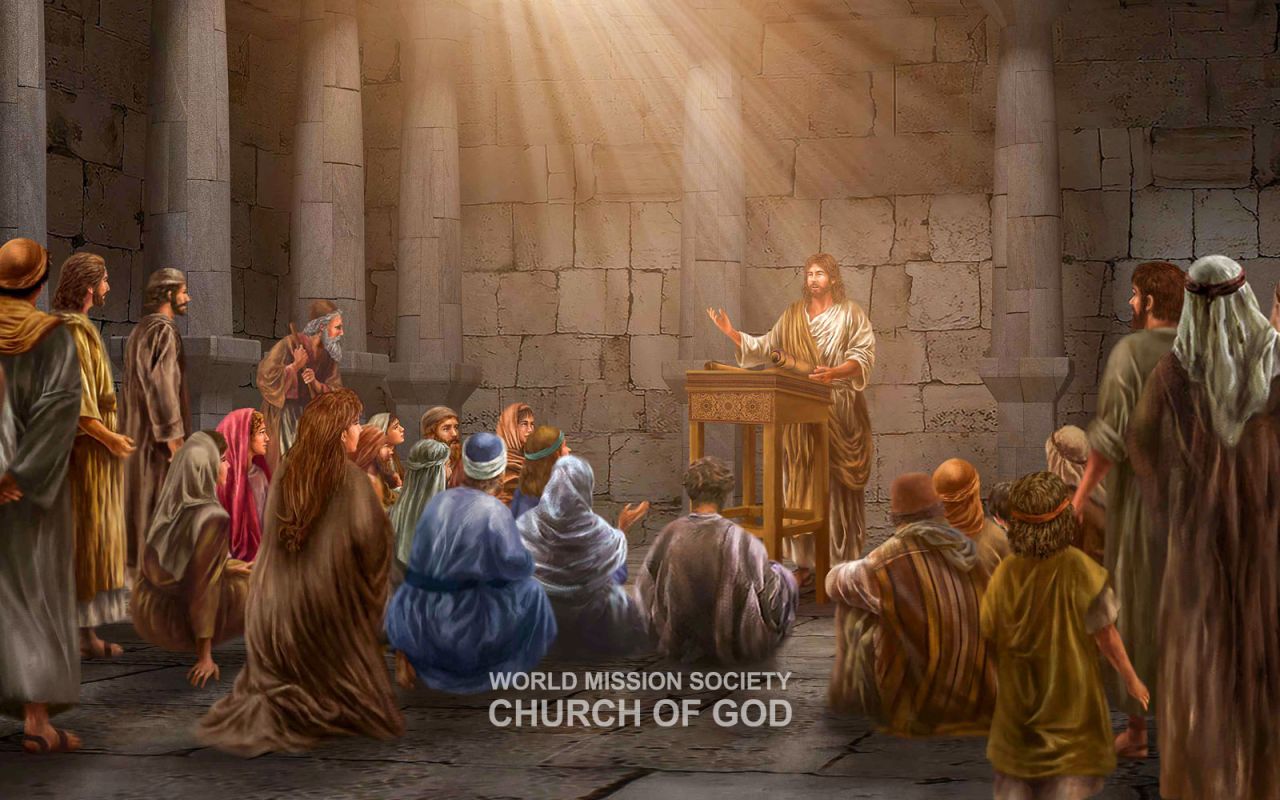

The gospel of the kingdom is the good news that mankind, spiritual sinners, can go to the kingdom of heaven through Jesus’ sacrifice on the cross. Jesus taught the truth that grants forgiveness of sins and eternal life, and He fulfilled all truths as the new covenant through His precious blood shed on the cross.
Jesus Came to Save Us
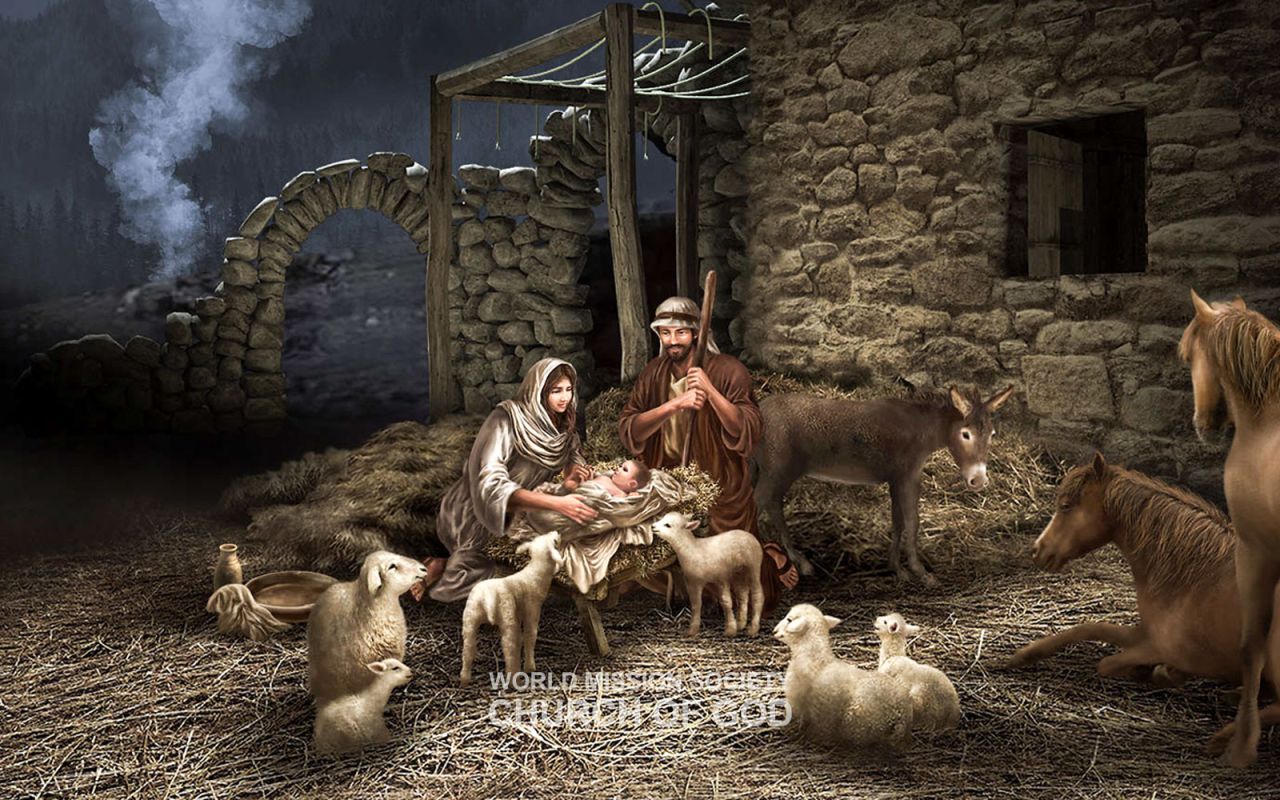

Jesus said that all human beings on this earth are sinners who sinned in heaven and were cast down.
- “I have not come to call [seek] the righteous, but sinners.” (Matthew 9:13)
- “For the Son of Man came to seek and to save what was lost.” (Luke 19:10)
The Bible says that the wages of sin is death.[1] Humans are sinners who committed sins deserving the death penalty in heaven and were cast down. Thus, Jesus Himself came in the flesh to grant forgiveness of sins and eternal life to mankind for the sins deserving the death penalty.[2][3]
- “Just as the Son of Man did not come to be served, but to serve, and to give his life as a ransom for many.” (Matthew 20:28)
- “She will give birth to a son, and you are to give him the name Jesus, because he will save his people from their sins.” (Matthew 1:21)
- “I have come that they may have life, and have it to the full.” (John 10:10)
Jesus’ Life for the Gospel of the Kingdom
Jesus taught and preached the way to forgiveness of sins and eternal life—the truth that leads mankind to the kingdom of heaven. This is the gospel of the kingdom.
From that time on Jesus began to preach, “Repent, for the kingdom of heaven is near.” Jesus went throughout Galilee, teaching in their synagogues, preaching the good news of the kingdom.
For three years of His ministry, Jesus preached the gospel of the kingdom in various regions of Israel, and sacrificed Himself on the cross at the end of His ministry. He paved the path to complete salvation by shedding His precious blood of sacrifice as a sin offering.[4][5] After His resurrection, Jesus said to His disciples before ascending to heaven, “Teach all nations to obey everything I have commanded you.”[6][7]
The Gospel of the Kingdom in the Work of Jesus
The details of the gospel of the kingdom, which Jesus taught and set an example,[8] are as follows.
Baptism
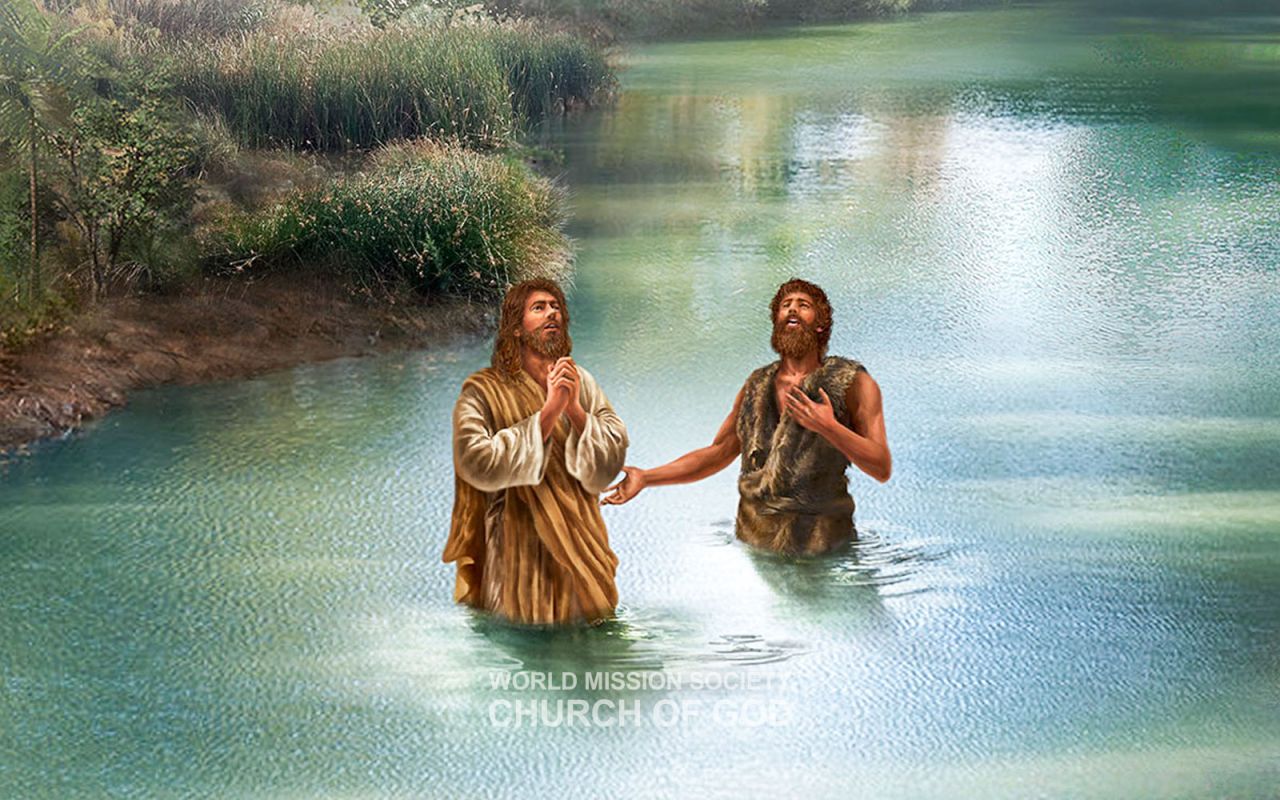

Then Jesus came from Galilee to the Jordan to be baptized by John. But John tried to deter him, saying, “I need to be baptized by you, and do you come to me?” Jesus replied, “Let it be so now; it is proper for us to do this to fulfill all righteousness.” Then John consented. As soon as Jesus was baptized, he went up out of the water.
Baptism is a ceremony in which the forgiveness of sins is promised.[9] Through baptism, one’s sin is buried and they are born again into a new life.[10] Although Jesus was without sin, He went to John the Baptist and was baptized, saying that the reason for this was “to fulfill all righteousness.” Jesus also baptized people[11] and taught that those who believe the gospel and are baptized will be saved.[12] Jesus’ work shows us that baptism contains the truth leading mankind to salvation.[13]
Sabbath Day
He went to Nazareth, where he had been brought up, and on the Sabbath day he went into the synagogue, as was his custom. And he stood up to read.
The Sabbath is the memorial day of the Creator,[14] originating from the fact that God made all things in six days and rested on the seventh day. In the time of Moses, it was appointed as the fourth commandment of the Ten Commandments[15] and it became part of the codified law. By keeping the Sabbath according to His custom, Jesus affirmed that the Sabbath is a law that must never be changed or abolished. He transformed the Sabbath of the Old Testament—observed with the shedding of animal blood—into a time of worship through prayer and praise in spirit and truth, made possible by the precious blood of Christ, the true sacrifice.[16][17]
Passover
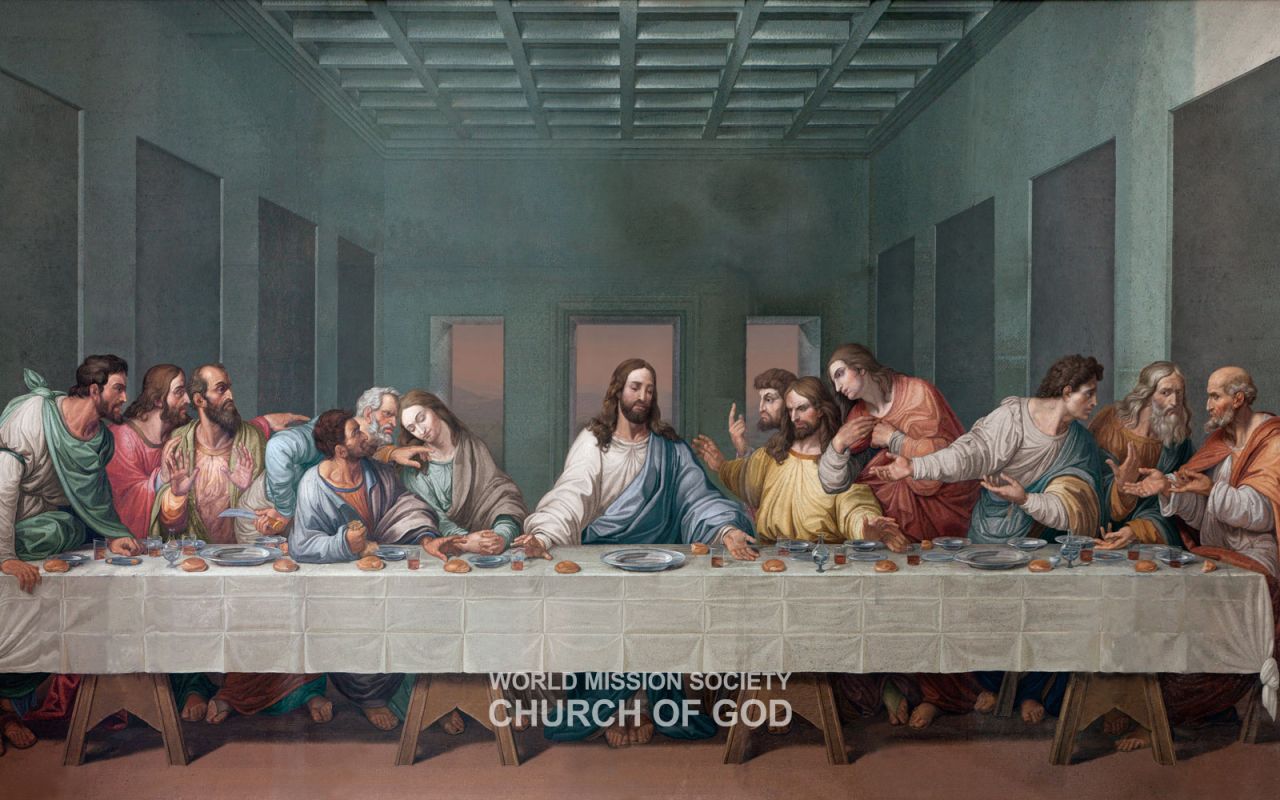

So the disciples did as Jesus had directed them and prepared the Passover . . . While they were eating, Jesus took bread, gave thanks and broke it, and gave it to his disciples, saying, “Take and eat; this is my body.” Then he took the cup, gave thanks and offered it to them, saying, “Drink from it, all of you. This is my blood of the covenant, which is poured out for many for the forgiveness of sins.”
Jesus said that those who eat His flesh and drink His blood will live forever.[18] The flesh and blood of Christ, which grant eternal life, are given to mankind through the Passover. The Passover carries the promise of redemption from death and the gift of eternal life to humanity, destined to die because of sin. Jesus established the Passover as the new covenant, saying, “I have eagerly desired to eat this Passover with you before I suffer.”[19] The Passover of the new covenant is the good news that leads to eternal life and is the core truth of the gospel of the kingdom that Jesus preached.
The history of the Israelites being freed from Egypt and entering Canaan in the Old Testament foreshadows the saints being freed from sin and death to enter the kingdom of heaven, the spiritual Canaan, in the New Testament.[20][21][22] Just as the Passover was essential for the Israelites to escape the plagues in Egypt and gain freedom,[23] the Passover of the new covenant—which promises forgiveness of sins and eternal life—is essential for entering the kingdom of heaven in New Testament times."
Feast of Tabernacles
Jesus preached during the Feast of Tabernacles and promised the Holy Spirit like the living water to those who believed in Him.[24] The Feast of Tabernacles includes the Feast of Trumpets and the Day of Atonement.[25] The fact that Jesus kept the Feast of Tabernacles is evidence that He also kept the Feast of Trumpets and the Day of Atonement. Jesus changed the law of the Old Testament, that is, the old covenant, into the complete new covenant,[16] and set an example that we should keep the feasts of the new covenant to enter the kingdom of heaven.
In addition to setting an example through ceremonies and regulations, Jesus demonstrated humility and gentleness[26] in serving His disciples as the true Shepherd.[27][28] Thus, the Bible records every example of Jesus that the saints should follow. Jesus’ life as the Christ is the gospel of the kingdom.
See also
- Gospel
- The Meaning of the Gospel
- The Beginning of the Gospel
- Gospel and the New Covenant
- The Value of the Gospel
- Different Gospels
References
- ↑ "Romans 6:23".
- ↑ "1 Kings 20:42".
- ↑ "John 1:29".
- ↑ "Ephesians 1:7".
- ↑ "1 Peter 1:18–19".
- ↑ "Matthew 28:20".
- ↑ "Matthew 24:14".
- ↑ "John 13:15–17".
- ↑ "Acts 2:38".
- ↑ "Romans 6:3–4".
- ↑ "John 3:22–23".
- ↑ "Mark 16:16".
- ↑ "1 Peter 3:21".
- ↑ "Genesis 2:1–3".
- ↑ "Exodus 20:8–11".
- ↑ 16.0 16.1 "Matthew 5:17".
- ↑ "John 4:23".
- ↑ "John 6:54".
- ↑ "Luke 22:15–20".
- ↑ "Joshua 21:43–44".
- ↑ "Hebrews 4:8–9".
- ↑ "Hebrews 10:1".
- ↑ "Exodus 12:11,29,41".
- ↑ "John 7:2, 37-39".
- ↑ "Deuteronomy 16:16".
- ↑ "Matthew 11:29".
- ↑ "Luke 22:24–27".
- ↑ "John 10:11–15".