The Power of God


The power of God is limitless. It transcends all human ability and imagination. God, the Alpha and the Omega, exists from eternity in and of Himself and endures forever without end.[1][2] As Creator and Redeemer, He is omniscient, omnipotent, and omnipresent, sovereign over life and death, blessing and calamity. All creation lies under His authority.[3][4][5] For those who believe, His power is revealed as salvation and blessing.[6] For those who reject Him, it is manifested as judgment and calamity.[7][8][9] As the true God exalted above all others,[10][11][12] He exercises His authority to judge false deities.[13] The forefathers of faith, who recognized His might, rendered to Him glory and ceaseless praise.[14][15][16][17]
Attributes of God’s Power
Omniscience and Omnipotence
God is omniscient and omnipotent.[18][19] By His word the heavens and the earth were created,[20][21][22] and all things exist according to His will.[23] He set the earth in space[24] and established the laws of nature.[25][26][27] God made both the visible and the invisible.[28] Within our own galaxy are an estimated two hundred billion star systems like the solar system, and in the wider universe, countless billions of galaxies.[29] Even at the speed of light, fast enough to circle the earth seven and a half times in a single second, it would take one hundred thousand years to cross the Milky Way.[30] The book of Psalms declares that the universe itself proclaims God’s power.[31] Though the stars are beyond number, He knows each one by name.[32] Though the planets are vast, they are as nothing before Him.
Surely the nations are like a drop in a bucket; they are regarded as dust on the scales; he weighs the islands as though they were fine dust. . . . Before him all the nations are as nothing; they are regarded by him as worthless and less than nothing.
On earth, about 350,000 species of plants and about 2,160,000 species of animals live according to God’s design.[33] Their lifespans and ecosystems are sustained by His power.[34] Even the human body, so complex that modern medicine has not unraveled all its mysteries,[35] is before God as insignificant as a worm.[36] All matters of life, great and small, unfold under His sovereignty.[37][38] Human actions, whether good or evil, cannot change Him.[39]

For God, nothing is impossible. He can halt the sun in its course[40] or cause its shadow to retreat.[41][42] The exodus of Israel from Egypt and their entry into Canaan were accomplished by His power;[43][44] the sea was parted so they crossed on dry ground;[45] manna fell from heaven like rain;[46] fortified cities collapsed without weapons or siege engines.[47]
Thus, all creation moves at His command, and He rules the universe with absolute authority.[48] What humanity perceives as supernatural or miraculous is nothing before the Almighty.[49][50]
“The Almighty is beyond our reach and exalted in power.”
Omnipresence
Unlike human beings, who are bound by time and space, God is present throughout the entire universe. Even the highest heavens cannot contain Him.[51] Nothing is hidden from His sight, and no place is beyond His presence.
“Who can hide in secret places so that I cannot see them?” declares the LORD. “Do not I fill heaven and earth?” declares the LORD.
God observes all people on earth,[52][53] discerning not only their words and deeds[54] but also the thoughts and intentions of their hearts.[55] Wherever one may go, He is there,[56] watching whether good or evil is done,[57] surveying the whole earth to its farthest ends.[58]
Skeptics often claim, “I cannot believe in God because He is invisible.” Yet even if God, who is spirit,[59] were to reveal His glory, no human could endure the sight.[60] When He manifested His presence to Israel, the people trembled in fear at the fire, smoke,[61][62] thunder, and the sound of the trumpet, and they begged Moses to hear God’s words on their behalf.[63]
God does not remain spirit alone. He has also appeared in the flesh, even in the form of an ordinary traveler.[64][65][66] For the redemption of humanity, He came to earth as a man[50][67][68] and bore the sins of the world on the cross. Yet His incarnation did not diminish His divine essence in heaven. Even if He were to take on human form countless times, His eternal being would remain unchanged. Just as electricity from a single source flows through millions of wires without exhausting the source, so God’s essence remains constant.
The Son [Jesus] is the image of the invisible God, the firstborn over all creation. For in him all things were created: things in heaven and on earth, visible and invisible, whether thrones or powers or rulers or authorities; all things have been created through him and for him.
Having come in the flesh, died, and risen again, Jesus appeared both in human form and in glory.[69][70] He promised to be present wherever people gather in God’s name and to remain with those who proclaim the gospel until the end of the age.[71][72]
Sovereignty Over Life and Death

The omnipotent and omnipresent God rules sovereignly over life and death, blessing and calamity. He gives life[73][74] and takes it away.[75] He extends the days of the dying[76] and raises the dead to life again.[77]
“See, I set before you today life and prosperity, death and destruction.”
When wickedness filled the earth in the days of Noah, God sent rain for forty days and nights and destroyed the world by flood.[78] In the time of Abraham, He consumed Sodom and Gomorrah with fire.[79] In Egypt, He struck the land with ten plagues, including blood, frogs, pestilence, and hail. In the wilderness, He sent venomous snakes to punish Israel’s grumbling, yet also provided healing.[80] During the Babylonian exile, Daniel’s three friends, Shadrach, Meshach, and Abednego, were preserved by God, so that not a hair of their heads was singed in the blazing furnace.[81]
Yet whenever God brought judgment, He also opened a way of salvation. He instructed Noah to build the ark, preserving his family through the flood.[82] He prepared Zoar as a refuge for Lot and his family when Sodom and Gomorrah were destroyed.[83] In Egypt, while striking down the firstborn, He spared Israel through the Passover and delivered them from judgment and slavery.[84] Thus, both peace and adversity lie under God’s sovereign power.[85]
“The LORD brings death and makes alive; he brings down to the grave and raises up. The LORD sends poverty and wealth; he humbles and he exalts.”
The Greatest Power of God
The greatest power of God is the redemption of humanity, who sinned in heaven, descended to this earth, and became subject to death.[86] For sinners to be released from sin, their transgressions must be forgiven. Yet the penalty of sin is death, and until that price is paid, no one can be set free. However, once a person dies to pay the penalty, life itself comes to an end. Even if one person were to die for another, that death would serve only as the penalty for his own sin and could never bring salvation to others. Thus the Apostle Paul cried out, “What a wretched man I am! Who will rescue me from this body that is subject to death?”[87]
Only God, who is without sin, can grant life and freedom to those enslaved by sin and death. The authority to forgive sins and to bestow eternal life is a power that belongs to God alone.[88][89][90][91]
[W]ho alone is immortal and who lives in unapproachable light, whom no one has seen or can see. To him be honor and might forever. Amen.
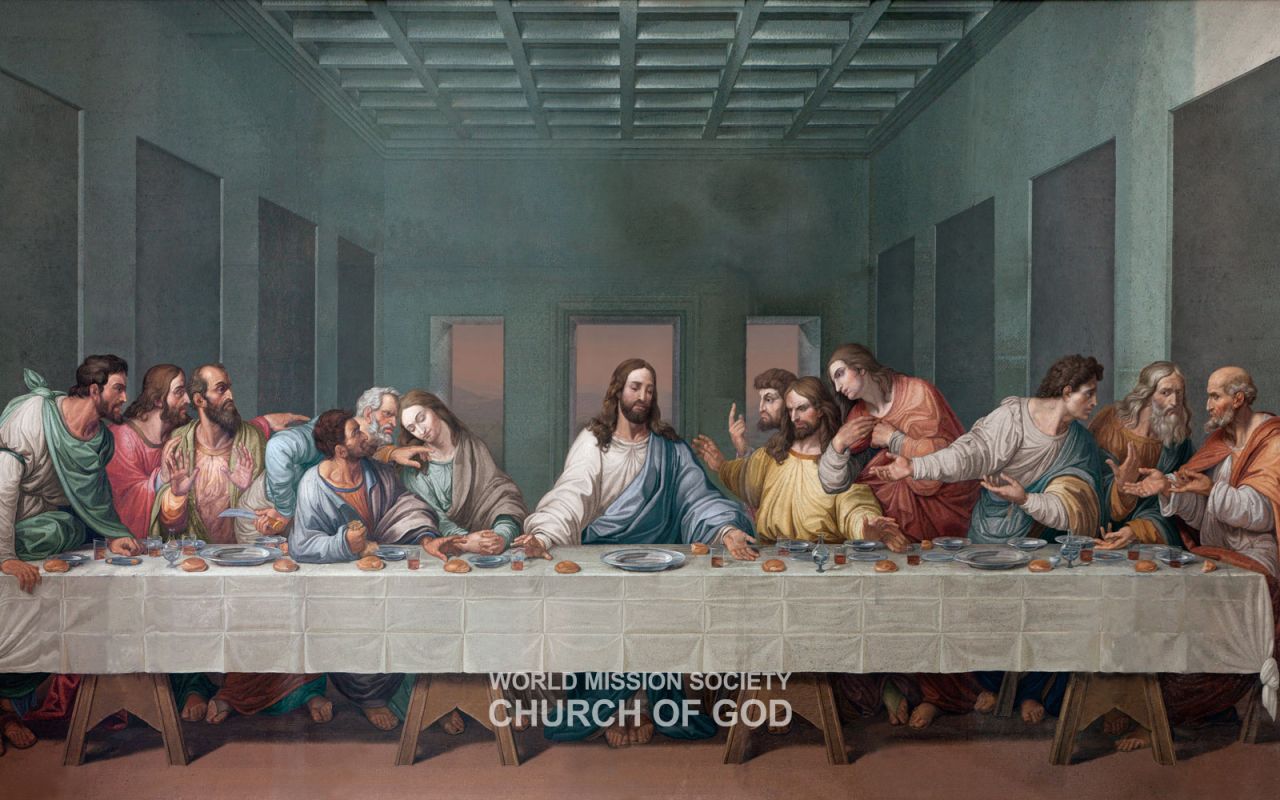

The reason the almighty God came in the weakness of human flesh was to save sinners who had fallen from heaven.[92][93] On the night before His crucifixion, Jesus observed the Passover with His twelve disciples for the last time. Giving them bread, He declared, “This is my body,” and offering them wine, He said, “This is my blood of the covenant, poured out for many for the forgiveness of sins.”[94][95] On the following day, He ratified this will through His death on the cross.
In the case of a will, it is necessary to prove the death of the one who made it, because a will is in force only when somebody has died; it never takes effect while the one who made it is living.
Through the New Covenant Passover, God granted humanity the forgiveness of sins and the promise of eternal life.[96] Whoever keeps the New Covenant Passover is transformed from mortal to immortal and receives the blessing of eternal life in the joyful kingdom of heaven.[97][98] Thus, the New Covenant Passover, established through God’s sacrifice in the flesh even to the point of death, may rightly be called the truth in which the greatest power of God is revealed.
Feasts Commemorating the Power of God
God established feasts to commemorate the days on which He revealed His power. Each feast embodies God’s will and serves as a memorial of His saving acts for humanity.[99][100] By observing the feasts, believers remember the God who manifested His power and come to understand His will. These include the Sabbath, the memorial of the Creator; the Passover, the memorial of the Redeemer; and the seven feasts in three times.
The Sabbath (Memorial of the Creator)
- In the beginning, God created the heavens and the earth, and all that is in them in six days and rested on the seventh.[101] He blessed the seventh day and made it holy,[102] designating it as a sacred day to commemorate the Creator’s power.[103] Those who desire salvation keep the Sabbath on the seventh day, honoring the Creator and looking forward to the eternal rest that is yet to come.
The Passover (Memorial of the Redeemer)
- The Passover began when the Israelites in Egypt were spared from the plague of death by applying the blood of the lamb to the sides and tops of the doorframes of their houses.[104] On that night, God delivered them from slavery in Egypt and set them on the journey toward Canaan.[105][106][107] Thus, the Passover stands as the memorial of the Redeemer. It foreshadowed how God would redeem humanity from slavery to sin and lead them to the heavenly Canaan, the kingdom of heaven. Believers who keep the Passover, commemorating the Redeemer’s power, are protected from the final disasters and are granted entrance into the eternal kingdom of heaven.
The Seven Feasts in Three Times
- The seven feasts in three times originated from the works of Moses during the first year following the Exodus. Moses and Jesus stand in a relationship of shadow and reality:[108][109] Moses’ deeds prefigured the salvation Christ, the coming Savior, would accomplish—from the cross to His second coming. As the reality of the sacrifices offered during the Old Testament feasts, Jesus shed His blood on the cross, thereby completing them.[110][111][112][113][114] By keeping the feasts fulfilled through Christ’s sacrifice and love, believers receive spiritual blessings such as the forgiveness of sins, eternal life, and the Holy Spirit.
Prayer for God’s Power
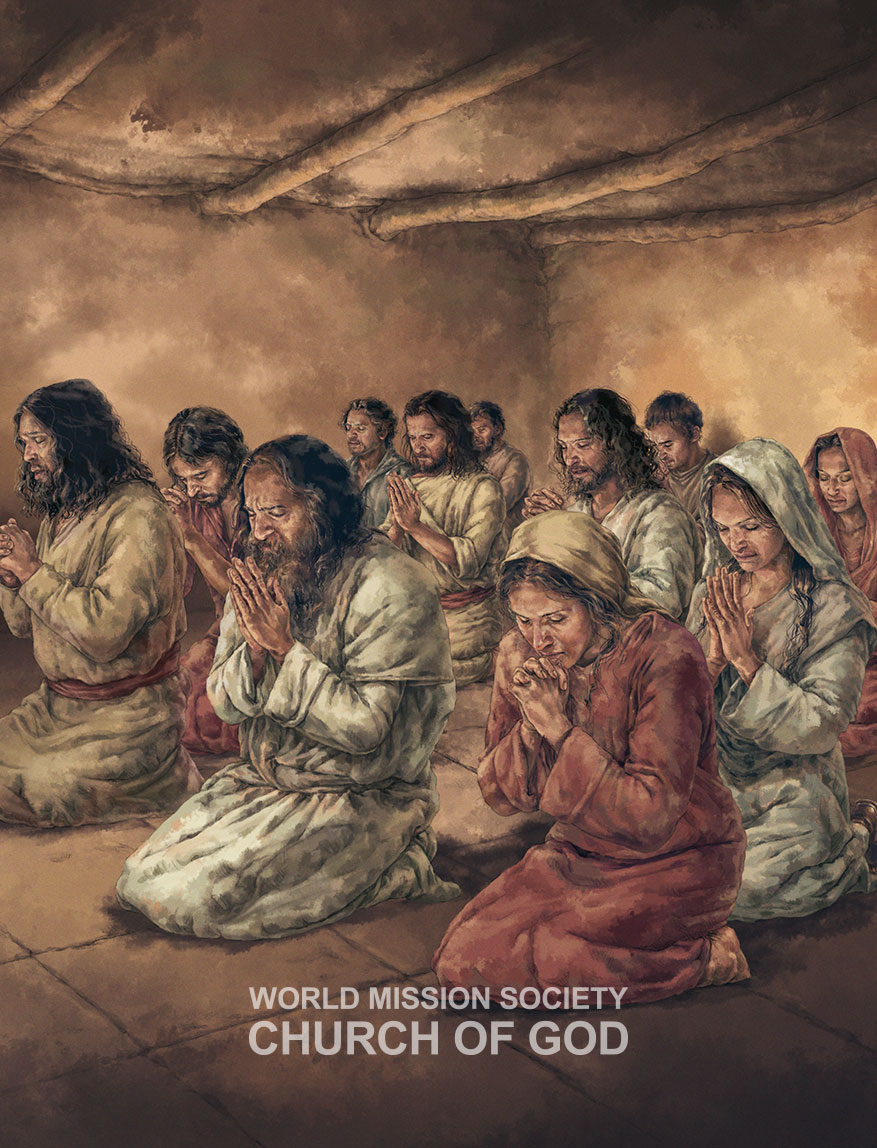

Two thousand years ago, before ascending to heaven, Jesus instructed His disciples to receive the Holy Spirit so that they would be empowered to serve as His witnesses.
“But you will receive power when the Holy Spirit comes on you; and you will be my witnesses in Jerusalem, and in all Judea and Samaria, and to the ends of the earth.”
The disciples devoted themselves to prayer, and they received the Holy Spirit.[115] Since the Holy Spirit is the Spirit of God, those who received it were endowed with divine authority. As Jesus had commanded, the apostles boldly testified about the Savior, and a great evangelistic work followed.[116] Thousands were baptized in a single day, and the gospel spread beyond Israel to many nations.[117]
God’s power is granted to those who earnestly seek it through prayer.[118][119] On one occasion, Jesus cast out an evil spirit from a child. When the disciples asked why they had been unable to drive it out, He replied, “This kind can come out only by prayer.”[120]
Yet exercising power in God’s name does not in itself guarantee entry into the kingdom of heaven. Jesus warned that even those who say, “Did we not drive out demons in your name and perform many miracles in your name?” will not enter heaven if they practice lawlessness, that is, if they follow the commandments of men rather than the will of God.[121] True power is given to those who keep God’s feasts according to His will and who pray earnestly. To them, God grants both His power and the blessing of eternal life in heaven.
See also
References
- ↑ "Revelation 1:8".
- ↑ "Revelation 22:13".
- ↑ "Exodus 19:5".
- ↑ "1 Chronicles 29:11".
- ↑ "Psalms 89:11".
- ↑ "Romans 1:16–17".
- ↑ "Exodus 8:19".
- ↑ "Exodus 11:5–6".
- ↑ "Matthew 11:20–22".
- ↑ "2 Samuel 7:22".
- ↑ "Ezra 1:3".
- ↑ "1 John 5:20".
- ↑ "Exodus 12:12".
- ↑ "Daniel 2:20".
- ↑ "Job 12:13".
- ↑ "Psalms 21:13".
- ↑ "Jeremiah 10:12".
- ↑ "Luke 1:37".
- ↑ "Job 42:2".
- ↑ "Genesis 1:1".
- ↑ "Psalms 146:6".
- ↑ "Acts 17:24–25".
- ↑ "Revelation 4:11".
- ↑ "Job 26:7".
- ↑ "Job 36:27".
- ↑ "Job 28:5".
- ↑ "Job 38:25–27".
- ↑ "Colossians 1:16".
- ↑ Alastair Gunn, How many galaxies are there in the universe?, BBC, March 18, 2024
- ↑ Structure and Composition, Las Cumbres Observatory
- ↑ "Psalms 19:1".
- ↑ "Psalms 147:4".
- ↑ NSP - Food security, Food and Agriculture Organization of the United Nations
- ↑ "Job 39:1–30".
- ↑ "Psalms 139:14".
- ↑ "Job 25:5–6".
- ↑ "Proverbs 16:9".
- ↑ "Matthew 10:29".
- ↑ "Job 35:6–8".
- ↑ "Joshua 10:12–13".
- ↑ "2 Kings 20:11".
- ↑ "Isaiah 38:8".
- ↑ "Exodus 19:4".
- ↑ "Leviticus 25:38".
- ↑ "Exodus 14:21–22".
- ↑ "Exodus 16:4".
- ↑ "Joshua 6:20".
- ↑ "Psalms 104:2–4".
- ↑ "Isaiah 55:8–9".
- ↑ 50.0 50.1 "Isaiah 9:6".
- ↑ "2 Chronicles 6:18".
- ↑ "Psalms 33:13–15".
- ↑ "Hebrews 4:13".
- ↑ "Psalms 139:1–4".
- ↑ "Jeremiah 17:10".
- ↑ "Psalms 139:7–8".
- ↑ "Proverbs 15:3".
- ↑ "Job 28:24".
- ↑ "John 4:24".
- ↑ "1 Timothy 6:16".
- ↑ "Exodus 19:18–19".
- ↑ "Exodus 24:17".
- ↑ "Exodus 20:18–19".
- ↑ "Genesis 18:1–2, 22".
- ↑ "Genesis 19:1".
- ↑ "Genesis 32:24, 28".
- ↑ "Philippians 2:5–8".
- ↑ "Romans 9:5".
- ↑ "Luke 24:30–31".
- ↑ "Acts 9:3–5".
- ↑ "Matthew 18:20".
- ↑ "Matthew 28:20".
- ↑ "Genesis 2:7".
- ↑ "Acts 17:25".
- ↑ "Luke 12:20".
- ↑ "2 Kings 20:6".
- ↑ "John 11:43–44".
- ↑ "Genesis 7:11–12".
- ↑ "Genesis 19:24–25".
- ↑ "Numbers 21:6–9".
- ↑ "Daniel 3:26–27".
- ↑ "Genesis 7:23".
- ↑ "Genesis 19:22".
- ↑ "Exodus 12:11–13".
- ↑ "Isaiah 45:7".
- ↑ "Romans 6:23".
- ↑ "Romans 7:24".
- ↑ "Mark 2:10".
- ↑ "Genesis 21:33".
- ↑ "Daniel 6:26".
- ↑ "1 John 2:25".
- ↑ "John 10:10".
- ↑ "Hebrews 2:14–15".
- ↑ "John 6:53–55".
- ↑ "Matthew 26:17, 26-28".
- ↑ "Luke 22:20".
- ↑ "1 Corinthians 15:52–53".
- ↑ "Revelation 21:4".
- ↑ "1 Corinthians 1:18".
- ↑ "2 Corinthians 13:4".
- ↑ "Genesis 2:2".
- ↑ "Genesis 2:3".
- ↑ "Exodus 20:8–11".
- ↑ "Exodus 12:6–13".
- ↑ "Exodus 13:3".
- ↑ "Numbers 33:3".
- ↑ "Deuteronomy 4:37".
- ↑ "Deuteronomy 18:18".
- ↑ "Acts 3:20–24".
- ↑ "Matthew 5:17".
- ↑ "1 Corinthians 5:7".
- ↑ "1 Corinthians 15:20".
- ↑ "Hebrews 10:1–4".
- ↑ "Hebrews 10:10–14".
- ↑ "Acts 2:1–4".
- ↑ "Acts 2:32–33".
- ↑ "Acts 2:41, 47".
- ↑ "Matthew 7:7–8".
- ↑ "Acts 8:17–20".
- ↑ "Mark 9:28–29".
- ↑ "Matthew 7:21–23".